Dr. Giovanni Scornavacca
26 June 2026 · 23 min read
Medically reviewed by Dr. Giovanni Scornavacca — Hair Restoration Specialist, Carisma Hair Clinic, St Julian's, Malta. 20+ years clinical experience, trained in Rome and Bologna.
Medically reviewed by Dr. Giovanni Scornavacca — Hair Restoration Specialist, Carisma Hair Clinic, St Julian's, Malta. 20+ years clinical experience.
Does Working Out Cause Hair Loss? What the Science Actually Says
Moderate exercise does not cause hair loss. Regular physical activity creates short-lived hormonal changes that return to baseline within hours — and no clinical evidence links ordinary gym training to androgenetic alopecia. However, extreme overtraining combined with significant caloric deficit can trigger telogen effluvium, a form of temporary diffuse shedding. Anabolic steroid use is a separate, well-documented risk. The decisive factor is whether you carry a genetic predisposition to pattern hair loss — not how many sets you do.
The mirror started it. Not the gym — the mirror.
For many men, the realisation that something is changing at the hairline arrives early in their thirties, around the same time training is going well: progress in the gym, a disciplined routine, more testosterone in the room. And that proximity produces a question that gets Googled quietly, often at night: is the training doing this?
It is a reasonable question. Exercise changes hormones. Hair loss is hormone-driven. The logic feels airtight. But the science is more precise — and considerably more reassuring for anyone who does not want to choose between their training and their hair.
This article covers what working out actually does to the hormones involved in hair loss, where the real risk lies (it is not where most people assume), and what Malta's climate adds to the equation for men who train outdoors. Results may vary for each individual depending on genetic predisposition and overall health status.
Photo: Julia Larson / Pexels
Contents
- The DHT-Exercise Relationship: What Actually Happens
- Moderate vs High-Intensity Training: What the Research Shows
- Overtraining and Caloric Deficit: The Real Hair Loss Risk
- Anabolic Steroids: The Honest Section
- Protein Supplements and Hair Loss
- The Positive Case: Exercise and Scalp Health
- Training Outdoors in Malta: The UV Factor No One Mentions
- Frequently Asked Questions About Does Working Out Cause Hair Loss in Malta
The DHT-Exercise Relationship: What Actually Happens
Hair loss begins not with shedding but with shrinking. Under the influence of dihydrotestosterone (DHT), genetically susceptible follicles undergo progressive miniaturisation — producing progressively thinner, shorter hairs over years and decades until they stop producing visible hair entirely. This is androgenetic alopecia: the process behind roughly 95% of male pattern baldness, as described by the NHS Hair Loss guidance.
DHT is a downstream conversion product of testosterone, produced by an enzyme called 5-alpha reductase in the follicle itself, the prostate, the liver, and other tissues. Because exercise raises testosterone — and testosterone converts to DHT — it is reasonable to ask whether training accelerates this process.
The answer lies in the distinction between transient and chronic hormonal exposure.
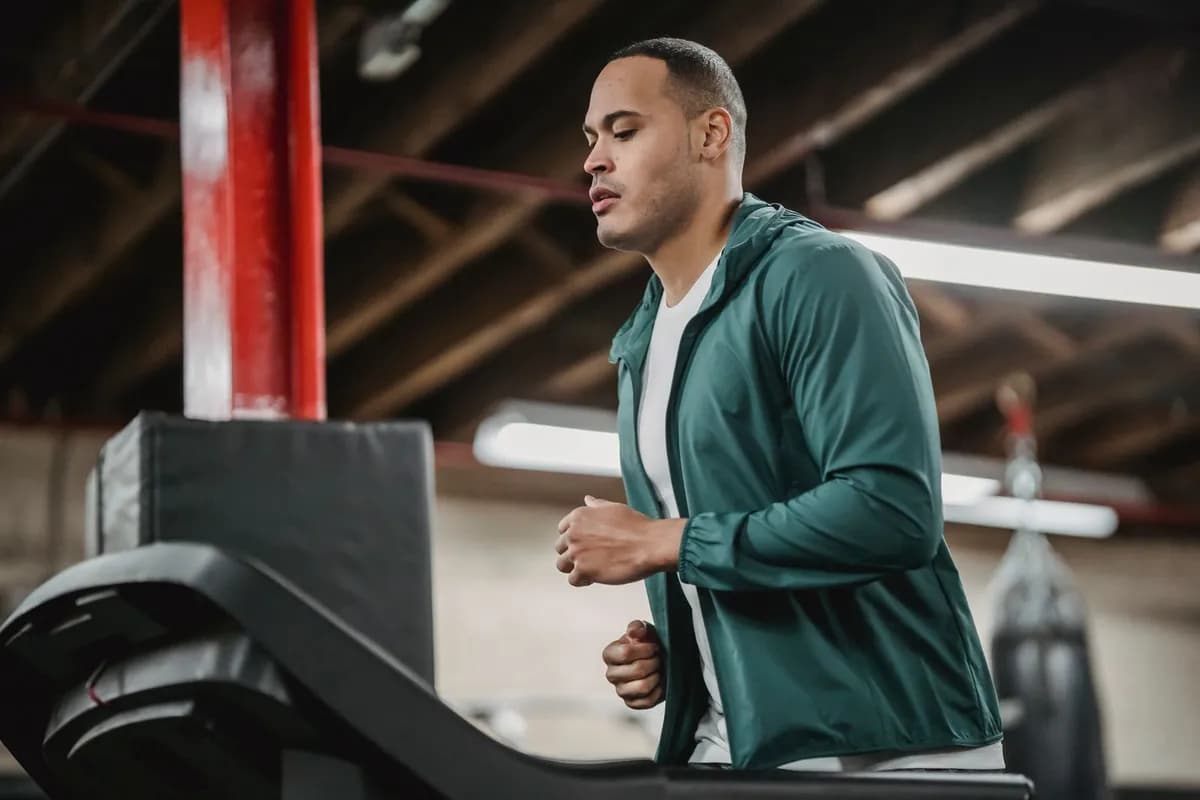
Resistance training does produce a post-exercise spike in testosterone and, consequently, in DHT. This is well documented in exercise physiology research. What is equally well documented is that these elevations are transient: they peak within 15–30 minutes post-exercise and return to baseline within a few hours in healthy men with adequate recovery. The androgenic signalling that drives follicle miniaturisation in male pattern baldness is a process of chronic, sustained, multi-year exposure at the follicle level — not brief hormonal spikes separated by 22 or more hours of normal baseline levels. Clinical studies indicate this distinction is fundamental to understanding whether training poses any real follicular risk.
No clinical study has demonstrated that regular exercise — even high-intensity weight training — causes or accelerates androgenetic alopecia in men who are not already genetically predisposed to it. The mechanism simply does not work the way the fear assumes.
What does determine whether DHT damages your follicles is your androgen receptor sensitivity — written into your genetics before you ever touched a barbell. If your follicles are programmed to miniaturise under DHT, the process has a biological clock attached to it. Exercise's acute hormonal effects do not meaningfully change that clock. A comprehensive review of androgenetic alopecia in PMC confirms that genetic follicular sensitivity to androgens, not transient exercise-induced hormone fluctuations, is the primary driver of pattern hair loss. For a fuller picture of what actually drives pattern hair loss, our guide to the underlying causes of male hair loss walks through the genetic and hormonal mechanisms in detail.
Photo: Ketut Subiyanto / Pexels
Moderate vs High-Intensity Training: What the Research Shows
Not all exercise produces the same hormonal profile. The intensity, duration, and recovery context of training all influence the endocrine response — and understanding these differences matters for anyone with a family history of hair loss who wants to train without unnecessary risk.
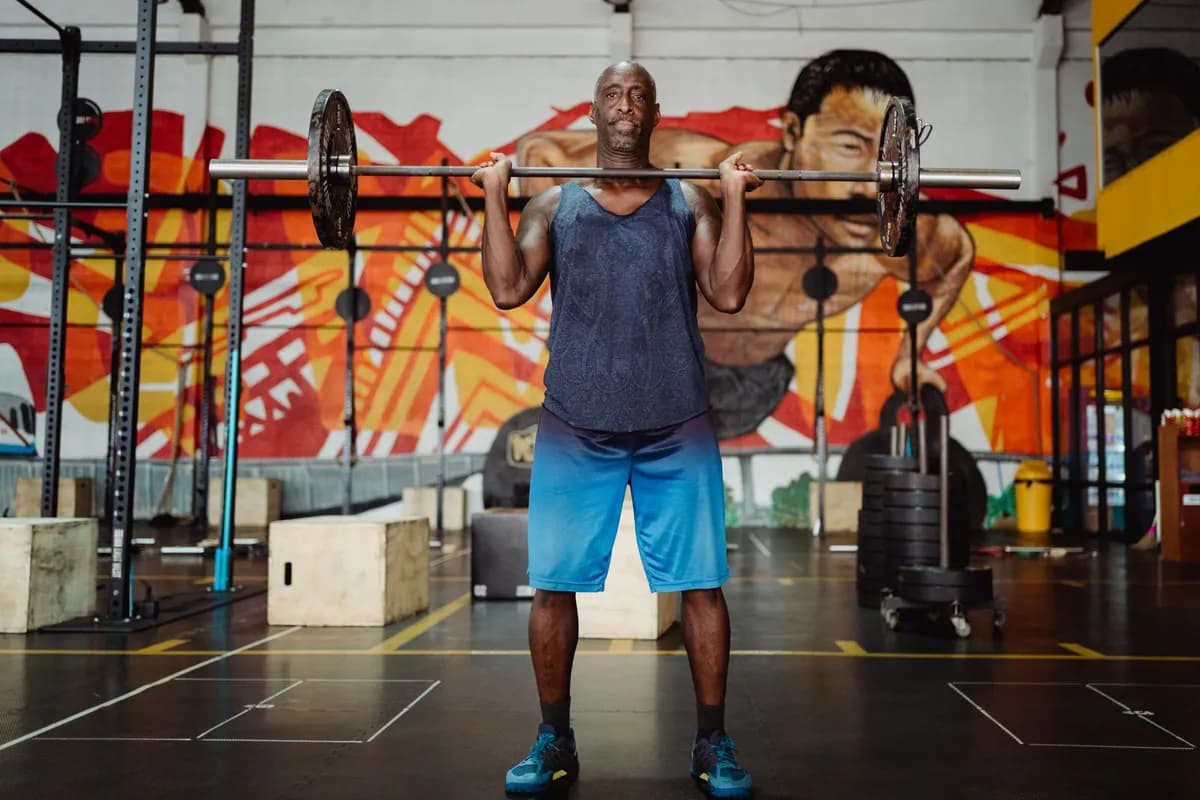
Moderate-intensity exercise (defined broadly as sustained effort at 50–70% of maximum heart rate) produces consistent, well-tolerated hormonal responses. Testosterone rises modestly. Cortisol — the body's primary stress hormone — rises transiently and returns to baseline quickly with adequate recovery. The overall anabolic-to-catabolic hormonal ratio remains favourable.
High-intensity exercise produces larger hormonal swings. Peak testosterone and DHT elevations are greater in magnitude, though still transient. The cortisol response is also more pronounced. For men with no genetic predisposition to hair loss, this distinction is clinically irrelevant — the transient spikes remain far below the threshold of chronic androgenic damage. For men who already have active androgenetic alopecia, evidence suggests the marginal additional DHT from intense training is unlikely to be a meaningful driver relative to their baseline follicular sensitivity.
The more clinically significant variable at high-intensity training levels is not the hormonal spike — it is what happens in the days following hard training when recovery is inadequate. That is where the real risk begins to emerge, and it is addressed in the section below.
The practical takeaway: your training intensity is not the primary variable in whether you lose hair. Your genetics are. The intensity of your training sessions modifies the magnitude of transient hormonal fluctuations, but it does not rewrite your follicles' androgen receptor programming.
Overtraining and Caloric Deficit: The Real Hair Loss Risk
This is where the relationship between training and hair loss becomes real — and worth taking seriously.
Overtraining syndrome is not simply training hard. It is the physiological state that develops when training load consistently outpaces recovery: inadequate sleep, insufficient calories, micronutrient depletion, and sustained psychological stress operating in combination over weeks or months.
In this state, cortisol becomes chronically elevated rather than transiently elevated. Chronically high cortisol suppresses anabolic signalling, depletes iron stores (a critical nutrient for hair follicle cycling), and drives systemic inflammation. Caloric restriction — particularly crash-diet levels below 1,200 calories — compounds this by depriving follicles of the protein and micronutrients they need to complete each growth cycle.
The result is telogen effluvium: a form of diffuse hair shedding caused by follicles being prematurely pushed out of the growth (anagen) phase and into the resting (telogen) phase. Unlike androgenetic alopecia, telogen effluvium does not follow a pattern. Hair sheds diffusely across the scalp. The shed typically occurs 2–3 months after the triggering event — not immediately — which is why many people fail to connect the episode to a period of extreme training or dietary restriction months earlier.
The critical distinction: telogen effluvium caused by overtraining may be reversible in many cases. Published systematic reviews indicate that acute telogen effluvium resolves in the majority of cases when the underlying trigger is addressed. Results may vary for each individual, and a clinical assessment is recommended to determine the underlying cause. Follicles are not permanently damaged; they have been temporarily disrupted. Restoring adequate nutrition, reducing training load, and addressing micronutrient deficiencies (particularly iron and zinc) can see shedding slow and regrowth begin within 3–6 months.
This is meaningfully different from androgenetic alopecia, where follicles are progressively and irreversibly miniaturised by DHT. If you are experiencing diffuse, non-patterned shedding during a period of hard training and restricted eating, the cause may be the training-nutrition context — not your genetic baldness pathway.
Photo: Ketut Subiyanto / Pexels
Anabolic Steroids: The Honest Section
Most articles in this space soften this section, or omit it entirely. That is not useful to the people who need the information most.
Anabolic-androgenic steroids (AAS) are synthetic testosterone derivatives. They are used in competitive bodybuilding and, increasingly, in recreational fitness at sub-competitive levels. Their relevance to hair loss is not contested in the clinical literature: exogenous androgens substantially elevate circulating androgen levels and, depending on the compound, directly increase DHT or bind to androgen receptors with even greater affinity than DHT itself.
For men with genetic predisposition to androgenetic alopecia, this concentrated androgenic exposure may accelerate follicle miniaturisation in a way that is both more rapid and more difficult to reverse than natural progression. The severity depends on the compounds used (DHT-derived AAS such as trenbolone and Masteron carry the highest hair loss risk), the dose, the duration, and the individual's genetic sensitivity. Men in early Norwood stages who begin AAS use report significant progression within months in some cases — progression that would have taken years under natural hormonal conditions.
This is clinically significant because AAS-accelerated hair loss can be, to a meaningful extent, irreversible beyond what medical treatment can recover. Evidence suggests that finasteride may help slow progression during active AAS use in some cases, but the follicular damage accumulated during sustained high-dose cycles is often permanent. Early consultation — before significant miniaturisation has occurred — is the point at which the most options remain available.
A 2009 study published on PubMed examining creatine supplementation and DHT illustrated how hormonal compounds can affect androgen levels — though it is important to note that study's limitations and that AAS represent a far more significant androgenic load than any supplement. If you are using or considering AAS and have a family history of male pattern baldness, discussing hair loss treatment Malta options proactively — rather than reactively once significant loss is visible — is the more clinically rational approach.
Protein Supplements and Hair Loss
The concern about protein powders causing hair loss is common in online fitness communities and is not supported by clinical evidence.
No study has established a direct link between whey protein, casein, or plant-based protein supplementation and hair loss. Hair follicles are among the most metabolically demanding structures in the body: each hair shaft is composed primarily of keratin, a structural protein that requires adequate amino acid availability to synthesise. Protein sufficiency is, if anything, a requirement of healthy hair growth — not a risk factor for hair loss.
Most gym-goers consuming protein supplements are substantially above the protein threshold required for follicle health. Where confusion arises is in conflating protein powder with the broader supplement stack it is sometimes consumed alongside — including compounds that do carry documented hair loss risk. The protein itself is not the problem.
A distinct but related concern is high-dose biotin supplementation, which is marketed heavily alongside fitness products. Biotin itself does not cause hair loss, but excessive supplementation can interfere with the accuracy of thyroid function tests and other lab assays — potentially confounding the blood work that would otherwise help diagnose hair loss causes. This is worth noting if you are planning to have hair loss investigated while taking high-dose biotin.
For a thorough review of the creatine question specifically — the most-researched supplement in the hair loss context — see our dedicated post on specific concerns about creatine supplementation.
The Positive Case: Exercise and Scalp Health
The framing of exercise as a hair loss risk deserves a counterweight: regular moderate training is not merely neutral for follicle health — there is a reasonable physiological case that it may be beneficial.
Aerobic exercise improves cardiovascular efficiency and peripheral microcirculation. The scalp is a vascular structure: the dermal papilla at the base of each follicle depends on adequate blood flow to receive the oxygen, growth factors, and nutrients it needs to sustain the anagen phase. A trained cardiovascular system delivers blood more efficiently to peripheral tissues, including the scalp. Clinical studies indicate that improved scalp microcirculation is associated with a more supportive environment for follicle function.
This is not the same as claiming exercise reverses androgenetic alopecia — it does not, and no clinical trial has shown it does. But the general physiological environment produced by regular training (improved circulation, regulated inflammation, better insulin sensitivity) is not hostile to follicle health. It is, on balance, more favourable than the environment produced by a sedentary lifestyle with elevated chronic inflammation.
The practical implication: if you are managing active hair loss with medical treatment and are debating whether to continue training, the answer from a follicle-health perspective is to keep training. The best investment you can make as a serious trainer with early-stage hair loss is not to stop training — it is to start a medically supervised protocol to manage the DHT side of the equation while you keep training. The two are not in conflict.
Photo: Mohammad Yasir / Pexels
Training Outdoors in Malta: The UV Factor No One Mentions
For men training in Malta, there is one environmental variable that does not appear in UK or US gym-culture articles about exercise and hair loss — and it matters.
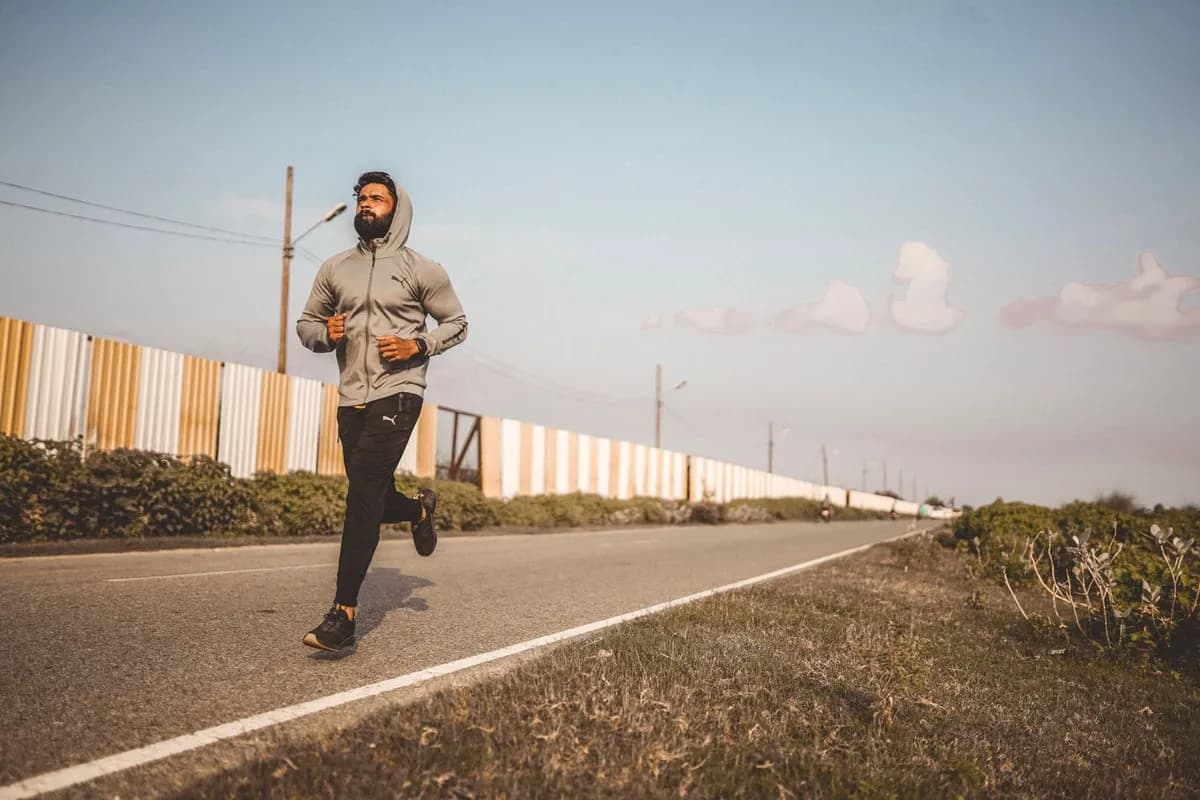
Malta's UV index reaches 9 to 10+ during the summer months of June through August. The World Health Organisation classifies UV index 8 and above as "Very High" to "Extreme." Men who train outdoors — running along the seafront, cycling, working out at outdoor facilities — are exposing the scalp to sustained ultraviolet radiation during the months of highest UV intensity.
UV radiation causes oxidative stress at the cellular level. On the scalp, cumulative UV exposure may damage follicular cells — particularly the melanocytes within the hair bulb, which are highly UV-sensitive, and the keratinocytes that form the hair shaft. This is distinct from the acute sunburn most people think of as UV damage. It is a cumulative oxidative burden that can build over repeated, unprotected exposures across years.
For men with genetic predisposition to androgenetic alopecia, this matters because the follicles that are already under DHT-mediated stress have reduced resilience to additional oxidative insults. UV-damaged scalp tissue can have reduced follicle vitality — and for men training outdoors in Maltese summer conditions without scalp protection, this may compound whatever genetic predisposition exists.
The practical response is not to stop outdoor training. It is to be deliberate about scalp protection during peak UV hours (11am–3pm), to wear appropriate headwear when possible, and to consider antioxidant-based scalp care as part of a management protocol. This is not discussed in most overseas content because the UV context is not the same. In Malta, it is a real variable worth addressing.
If You Train Seriously and You Are Noticing Changes
The answer to the question in the title is this: ordinary exercise does not cause hair loss. If your hair is thinning, the training is not why. But what the training has not changed — and cannot change — is your genetic predisposition to androgenetic alopecia.
The thinning that appears in your thirties or forties often reflects a process that started silently in your mid-twenties. By the time it is visible, the follicular miniaturisation is already well established. Early assessment and early intervention are where the best outcomes lie.
At Carisma Hair Clinic in St Julian's, Dr. Giovanni Scornavacca's approach begins with a scalp imaging scan — not a treatment brochure. Follicle density is measured before anything else. The Hair Reset Protocol is built on that data: a 90-day programme combining PRP, prescription-grade treatment, and follicle tracking to produce a measured, documented result.
You do not need to stop training. You do need to know what is actually happening at the follicle level.
Ready to Take Control of Your Hair Loss?
If you've been researching your options and want a clinical assessment rather than another generic recommendation, Carisma Hair Clinic offers a comprehensive diagnostic consultation — scalp imaging, density mapping, and a personalised protocol designed around your specific pattern of loss.
→ Book Your Free Hair Loss Consultation
Dr. Giovanni Scornavacca and the team at Carisma Hair Clinic are available at our St Julian's clinic.
About the Author
Dr. Giovanni Scornavacca is a hair restoration specialist with over 20 years of clinical experience, with advanced training at universities in Rome and Bologna. He leads the Hair Reset Protocol at Carisma Hair Clinic — Malta's most complete non-surgical hair regrowth programme. Dr. Scornavacca specialises in diagnosing and treating androgenetic alopecia, telogen effluvium, and complex hair loss presentations using PRP, exosome therapy, and tailored prescription protocols.
Frequently Asked Questions About Does Working Out Cause Hair Loss in Malta
Does working out cause hair loss?
Moderate exercise does not cause hair loss. Regular physical activity produces short-lived hormonal changes that return to baseline within hours and are not linked to androgenetic alopecia in clinical research. However, extreme overtraining combined with significant caloric deficit can trigger telogen effluvium — a temporary, diffuse shedding that may resolve once the stressor is addressed. Results may vary for each individual. Anabolic steroid use is a separate and genuinely significant risk for men with genetic predisposition to pattern baldness. A clinical assessment is the best way to determine the precise cause of any hair loss you are experiencing.
Does lifting weights increase DHT and cause baldness?
Resistance training produces a temporary post-exercise rise in testosterone and DHT. However, these elevations are transient — they return to baseline within hours and have not been shown in clinical research to cause or accelerate androgenetic alopecia. Male pattern baldness is driven by chronic, sustained follicular DHT exposure over years, not brief hormonal spikes. The mechanism is fundamentally different from what transient post-exercise DHT changes produce.
Can overtraining cause hair loss?
Yes, but not in the same way as pattern hair loss. Extreme overtraining — particularly when combined with severe caloric restriction — raises cortisol chronically, depletes micronutrients, and suppresses anabolic hormones. Clinical studies indicate this environment can push large numbers of follicles prematurely into the resting (telogen) phase, resulting in diffuse shedding 2–3 months later. This is telogen effluvium and may be reversible once training load and nutrition are corrected. Results may vary for each individual depending on the duration and severity of the underlying stressor.
Do anabolic steroids cause hair loss?
This is the one genuinely significant gym-related hair loss risk. Anabolic-androgenic steroids are synthetic testosterone derivatives that substantially elevate circulating androgens and DHT. In men with genetic predisposition to androgenetic alopecia, this concentrated androgenic exposure can accelerate follicle miniaturisation measurably. The link is well established in the clinical literature. Some compounds carry a higher risk than others, depending on their conversion to DHT and their direct androgen receptor binding affinity. Early consultation before significant miniaturisation occurs offers the best range of treatment options.
Does protein powder cause hair loss?
No clinical evidence links protein supplementation — including whey — to hair loss. Hair follicles are among the most protein-hungry structures in the body; adequate protein intake is actually important for maintaining healthy hair growth. Most gym-goers using protein supplements are consuming well above the threshold required for follicle health. The confusion may arise from anecdotal reports conflating protein powders with other compounds sometimes taken alongside them.
Can exercise help with hair growth?
Regular moderate exercise may improve cardiovascular function and scalp microcirculation — delivering more oxygen and nutrients to follicles. While no clinical trial has shown exercise alone reverses pattern hair loss, evidence suggests the physiological environment created by regular training can support follicle health. For men managing active hair loss, there is no clinical reason to reduce training. The more effective approach is to address the underlying androgenic driver directly through how to minimise hair loss risk during training and medically supervised treatment.
How much does a hair loss consultation cost at Carisma Hair Clinic Malta?
The initial hair loss consultation at Carisma Hair Clinic is offered free of charge. This includes a scalp imaging assessment, follicle density mapping, and a personalised evaluation with Dr. Giovanni Scornavacca. Treatment protocols are then priced based on the individual clinical picture — there is no one-size-fits-all package. You can book your free consultation here.
Is hair loss treatment safe for men who train regularly?
Hair loss treatments used at Carisma Hair Clinic — including PRP, exosome therapy, and prescription protocols — are generally compatible with regular training. Evidence suggests that men who exercise regularly often respond well to PRP due to improved circulation and baseline inflammatory control. Your full health profile, including training intensity and any supplement use, will be reviewed during consultation to ensure any protocol is appropriate for your situation. Results may vary for each individual.
Medical Disclaimer: This article is for informational purposes only and does not constitute medical advice, diagnosis, or treatment recommendations. Results may vary for each individual. Always consult a qualified healthcare professional before starting any hair loss treatment. Dr. Giovanni Scornavacca and Carisma Hair Clinic are available for clinical consultation at our St Julian's, Malta clinic.
Written and reviewed by Dr. Giovanni Scornavacca, Carisma Hair Clinic. Published: 26 June 2026.
Ready to Take Action?
Book a free online consultation with Nurse Leticia to talk through your hair loss, then see Dr. Giovanni Scornavacca at the clinic for a personalised assessment and treatment plan.
Book a Free Consultation