Dr. Giovanni Scornavacca
26 June 2026 · 25 min read
Medically reviewed by Dr. Giovanni Scornavacca — Hair Restoration Specialist, Carisma Hair Clinic, St Julian's, Malta. 20+ years clinical experience, trained in Rome and Bologna.
Medically reviewed by Dr. Giovanni Scornavacca — Hair Restoration Specialist, Carisma Hair Clinic, St Julian's, Malta. 20+ years clinical experience, trained in Rome and Bologna.
How to Prevent Hair Loss While Training: A Practical Guide for Men in Malta
Prevention requires knowing which type of hair loss you are dealing with. For men with androgenetic alopecia who train regularly, the most effective approach combines DHT-blocking medication with nutritional discipline, scalp protection, and structured monitoring. Five evidence-based strategies cover the majority of training-related hair loss risk: confirm your diagnosis first; address DHT with appropriate medication if genetically predisposed; maintain adequate protein and ferritin; protect your scalp from UV oxidative stress; and track density changes methodically rather than reactively. Results may vary for each individual depending on the type and stage of hair loss present.
You have been watching your hairline for months. You train consistently — five, maybe six days a week — and somewhere in the back of your mind you have been wondering whether the two things are connected. Whether the intensity, the supplements, the hours under weights, are costing you something you cannot get back.
The honest answer is: probably not in the way you fear. Ordinary training does not cause androgenetic hair loss. But if you carry a genetic predisposition to male pattern baldness — and that predisposition is far more common than most men realise, affecting approximately half of men by age fifty according to data reviewed on the NHS hair loss resource — then the environment around your training does carry specific risks that a sedentary person simply does not face. Caloric restriction cycles, sweat-driven nutrient depletion, extended outdoor sessions in a high-UV climate, and the occasional consideration of performance supplements that touch the androgen pathway: these create a distinct set of variables worth understanding.
This article is written for men who train and suspect they may be predisposed to hair loss, or who have already noticed thinning and want to know how to prevent hair loss while training without compromising their programme. It covers how to confirm your diagnosis before making any decisions, what clinical evidence supports for DHT management, how active men specifically need to approach nutrition for follicular health, and why Malta's outdoor training environment adds a scalp consideration that most prevention guides never mention.
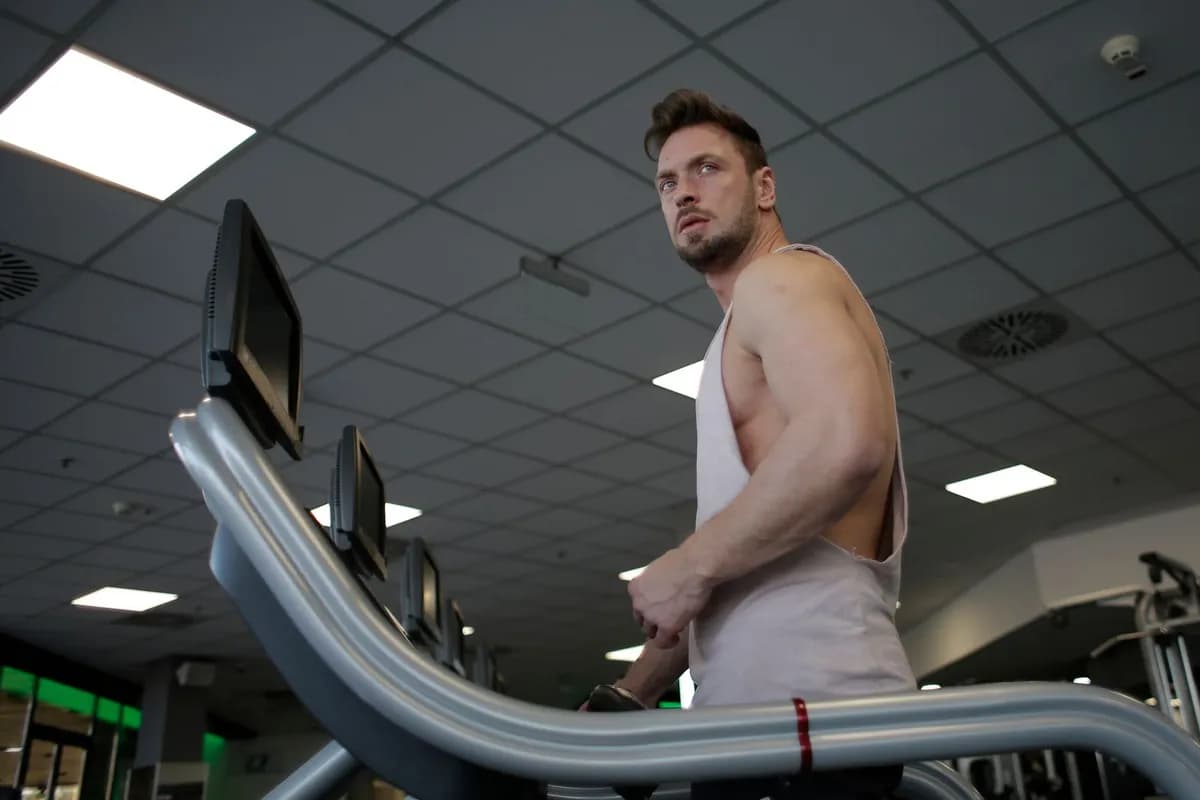
Photo: Andrea Piacquadio / Pexels — Consistent training is compatible with an effective hair loss prevention protocol — with the right clinical approach.
Contents
- Step One: Confirm the Diagnosis Before Treating Anything
- DHT Management: The Central Intervention for Genetically Predisposed Men
- Nutritional Strategy for Active Men With Hair Loss
- Scalp Protection for Outdoor Training in Malta
- Monitoring Protocol: Baseline and Interval Tracking
- The Combined Protocol for Active Men
- Frequently Asked Questions About How to Prevent Hair Loss While Training in Malta
Step One: Confirm the Diagnosis Before Treating Anything
The single most common mistake men make when trying to prevent hair loss while training is treating a presumed cause rather than a confirmed one. Hair loss in active men has at least three distinct mechanisms — and the intervention differs meaningfully depending on which one applies.
Androgenetic alopecia (male pattern baldness) is driven by a genetic sensitivity of the hair follicle to dihydrotestosterone (DHT). It progresses in a predictable pattern — temples, crown, or both — and does not resolve on its own. Training does not cause it, but it does not stop it either. If you are genetically predisposed, androgenetic alopecia will progress regardless of what you do at the gym, and the intervention required is medication. Clinical studies indicate that early diagnosis significantly improves treatment outcomes for genetically predisposed men.
Telogen effluvium is a different process entirely. It is triggered by physiological stress: caloric deficit, crash weight cuts, illness, iron depletion, or overtraining. The hair follicle shifts prematurely into its resting phase and sheds two to three months after the triggering event. Unlike androgenetic alopecia, telogen effluvium is typically diffuse (hair comes out from all over the scalp, not in a pattern), acute in onset, and usually reversible once the trigger is removed and corrected. It does not require finasteride. It requires addressing the underlying cause.
Combined presentation is common: a man with early androgenetic alopecia also goes through a severe cutting phase, develops iron depletion, and experiences a telogen effluvium on top of his underlying genetic process. The shedding looks alarming because two processes overlap.
Scalp imaging and density mapping is the definitive way to separate these. A dermoscopic or trichoscopic assessment under magnification shows whether follicles are miniaturising in a DHT-driven pattern (variable hair shaft diameter is the key feature), or whether the follicles are structurally intact but temporarily dormant (telogen effluvium pattern). This distinction changes everything. Booking a clinical assessment before committing to a treatment protocol is not a formality — it is the most important step in a prevention strategy for active men.
For context on how hair loss patterns are staged and what your presentation might indicate, the Norwood scale guide for Malta patients is a useful clinical reference. Research published in the PMC literature on androgenetic alopecia confirms that earlier diagnosis is consistently associated with better treatment response.
DHT Management: The Central Intervention for Genetically Predisposed Men
If your assessment confirms androgenetic alopecia, the clinical evidence is unambiguous: the primary intervention is DHT blockade. Training does not change this equation, and no amount of nutritional optimisation or scalp care will substitute for it.
Testosterone is converted to DHT by an enzyme called 5-alpha reductase, primarily in the hair follicle itself. DHT binds to androgen receptors in follicles that are genetically sensitive and initiates a shortening of the growth cycle — progressively producing thinner, shorter hairs with each successive cycle until follicles become dormant. Clinical studies indicate that finasteride inhibits type II 5-alpha reductase and has been shown in randomised controlled trials to reduce serum DHT by approximately 71% and scalp DHT by approximately 64% at the 1 mg daily dose, as documented in pivotal finasteride RCT data on PubMed.
The clinical outcomes from the pivotal registration trials show that approximately 83% of men treated with oral finasteride saw no further hair loss at the vertex at two years, and approximately 61–66% experienced visible regrowth at the crown. Frontal area response is more modest — approximately 37% at one year. These are population averages from clinical trials; individual results may vary significantly depending on genetic predisposition and stage of presentation.
For men who want the same efficacy with reduced systemic exposure, topical finasteride is now well-supported by a phase III randomised controlled trial comparing it directly to oral finasteride. Topical achieved numerically equivalent hair counts at 24 weeks while delivering roughly 40% less systemic DHT suppression and a lower rate of sexual side effects in trial data, as reviewed in PMC finasteride data. For men who are sensitive to systemic androgenic changes — a consideration that applies to some athletes monitoring hormonal markers — the topical route is worth discussing with a prescribing physician.
It is important to state clearly: finasteride is a prescription-only medicine in Malta and throughout the EU. It requires evaluation by a licensed medical professional before any use. For detailed information on accessing and starting finasteride, the finasteride Malta guide covers the prescription pathway, timing, and what to expect.
For men where finasteride alone is insufficient, or where coverage at the crown is the primary concern, minoxidil is typically added. A 2025 meta-analysis of seven randomised controlled trials confirmed that combination therapy — finasteride plus minoxidil — produces significantly greater improvements in hair density and shaft diameter than either medication alone. The minoxidil Malta guide covers formulation options and how to start. For a side-by-side assessment of both medications and how to choose between them, the finasteride vs minoxidil comparison is the appropriate next read.
One note for men who have been exploring performance supplementation: if the creatine-DHT debate has influenced your thinking, it is worth knowing that current evidence does not support creatine causing clinically meaningful hair loss. A 2009 study examining creatine and DHT raised the question, but the findings were from a single small study with important limitations — it has not been replicated in 15 years of subsequent research. No supplement avoidance strategy substitutes for addressing a confirmed androgenetic process medically.
Nutritional Strategy for Active Men With Hair Loss
Active men face nutritional demands and risk factors for hair loss that sedentary patients do not. Hair is structurally keratin, a protein — its synthesis is directly dependent on protein availability and the micronutrients that support cellular metabolism. The following four nutritional variables are the most clinically relevant for training athletes.
Protein adequacy. Hair follicles are among the most metabolically active cell populations in the body. Protein synthesis for hair growth competes with the demands of muscle protein synthesis in a caloric deficit — and in that competition, hair is expendable from the body's physiological priority standpoint. Men in aggressive cutting phases, particularly those restricting calories below 1,500–1,800 kcal per day for extended periods, are at elevated risk of telogen effluvium. For active men, the recommended protein intake of 1.6–2.2 g per kg body weight is not a performance metric alone — it is a protective minimum for follicular health.
Caloric deficit duration and severity. The most common training-related trigger for telogen effluvium is not exercise itself — as covered in the companion article on whether exercise itself contributes to hair loss — but sustained caloric restriction. A moderate deficit of 300–500 kcal per day maintained over several months is generally well-tolerated. Crash deficits of 700 kcal or more, or aggressive contest preparation protocols lasting eight to sixteen weeks, can significantly elevate the risk. If a cutting phase is planned, extending it over a longer timeframe to reduce daily deficit depth may help reduce hair loss risk.
Ferritin monitoring. This is particularly relevant for endurance-dominant athletes. Iron is depleted through sweat, gastrointestinal microbleeding (common in distance runners), and insufficient dietary intake in men who avoid red meat. Serum ferritin — the storage form of iron — must remain above 70 µg/L to support normal hair cycling. Values below this threshold, even when haemoglobin remains normal (meaning clinical anaemia is not present), are associated with increased telogen shedding. Evidence suggests that endurance athletes training five or more days per week should include serum ferritin in their annual blood panel. A targeted ferritin test, and what other markers your physician should include, is covered in the blood tests for hair loss Malta guide.
Zinc. Zinc is lost through sweat and is required for 5-alpha reductase function, DNA synthesis, and the immune regulation of the hair follicle environment. Heavy resistance trainers and athletes in warm climates — which describes most men training in Malta for six or more months of the year — are at elevated risk of subclinical zinc depletion. Dietary sources (red meat, shellfish, legumes, seeds) are generally sufficient for men eating a varied diet at adequate caloric intake. Supplementation in the 8–11 mg elemental zinc per day range is low-risk and commonly considered in active populations with poor dietary variety, though individual needs should be assessed by a clinician.
Scalp Protection for Outdoor Training in Malta
Photo: MART PRODUCTION / Pexels — Outdoor training in Malta's high-UV environment adds a scalp-specific consideration most prevention guides overlook.

This section addresses a gap in nearly every hair loss prevention guide written for a general audience: the specific scalp exposure risk created by outdoor training in a high-UV Mediterranean environment.
Malta receives a WHO-classified UV index of 9 to 10 in peak summer months — rated Very High to Extreme. This is not an abstract concern. Ultraviolet radiation generates reactive oxygen species (ROS) in scalp skin, triggering oxidative stress at the follicular level. In vitro studies have shown that UV-B radiation can reduce expression of growth factors in dermal papilla cells. Over repeated, sustained exposure, this may contribute to premature follicular miniaturisation — a process that, in a man with existing androgenetic predisposition, layers onto the genetic process already underway.
Men who run, cycle, or train outdoors in Malta between April and October — which represents the majority of the training year for most active residents — should consider the following:
Scalp SPF. Dedicated scalp sunscreen sprays (SPF 30–50, alcohol-free formulations to avoid irritation) are now widely available and practical for pre-training application. The scalp is typically the most sun-exposed surface on the body during outdoor exercise and the least likely to be protected.
UPF-rated headwear. For outdoor running or cycling in mid-morning to mid-afternoon conditions (the highest UV window, approximately 10:00–14:00), a lightweight UPF 40+ cap eliminates the exposure risk entirely without affecting scalp thermoregulation meaningfully.
Post-training scalp cleansing. Sweat is mildly acidic (lactic acid) and its prolonged contact with the scalp following training has been proposed to contribute to follicular unit inflammation and scalp pH disruption. Clinical evidence on this mechanism is emerging rather than established, but it represents low-risk, low-cost preventive hygiene: washing or rinsing the scalp within an hour of outdoor training removes sweat residue and reduces any prolonged follicular irritant contact. A gentle, sulphate-free shampoo used three to four times per week rather than a daily aggressive wash is generally appropriate for men using topical minoxidil or topical finasteride concurrently.
This scalp protection consideration is specific to Malta's climate and the pattern of outdoor training common here. It is not a substitute for medication in genetically predisposed men — but it is a legitimate additional layer that most guides, written for temperate climates, simply do not address.
Monitoring Protocol: Baseline and Interval Tracking
A prevention protocol without measurement is not a protocol — it is a hope. Men who train and want to manage hair loss proactively should establish a simple, consistent monitoring system rather than relying on mirror impressions, which are unreliable due to lighting variation, styling, and the slow rate of change in early-stage androgenetic alopecia.
Baseline photography. Take standardised photographs — consistent lighting, consistent position (overhead and both temples) — every three months. Use the same background, the same camera distance, and photograph in dry, unstyled hair. The first pair of photographs establishes baseline density. Comparison at three, six, and twelve months gives you the actual trajectory, not an impression.
Know what you are tracking. The crown and vertex region (top and back of the scalp) shows androgenetic progression earliest in most men. The temples are the second priority zone. Diffuse thinning across the entire scalp that began shortly after a significant dietary, training, or stress change is more consistent with telogen effluvium and worth flagging to a clinician promptly.
When to escalate. If standardised photographs show a clear change at three-month comparison, or if daily shedding is consistently above 150 hairs for more than two to three months, clinical assessment is appropriate. This is not cause for alarm — it is cause for timely action, because the early signs of balding in men that are visible to you have typically been developing for five to ten years at the follicular level before they become apparent in a mirror. Acting on early signals is the most clinically effective time to intervene.
The Combined Protocol for Active Men
For men who train regularly and have confirmed androgenetic alopecia, the evidence supports a combined approach that treats the biological cause, addresses training-specific nutritional risks, and includes structured clinical monitoring. No single element of this protocol is optional in the presence of active androgenetic progression.
The core clinical components are:
-
DHT blockade with oral or topical finasteride, prescribed and monitored by a physician, taken consistently without interruption. Effects depend on continuous use; discontinuing finasteride may result in resumption of hair loss within six to twelve months.
-
Topical minoxidil applied to affected areas — crown coverage, hairline, or vertex — twice daily per standard protocol, or as directed by a prescribing physician. For men with significant crown loss, the 5% formulation is the evidence-based standard for men. Published clinical data on minoxidil efficacy is available in the PMC minoxidil review.
-
Nutritional discipline during cutting phases: protein at or above 1.6 g/kg, caloric deficit no greater than 300–500 kcal/day sustained, and annual ferritin monitoring for endurance-dominant athletes.
-
Scalp protection appropriate to Malta's UV environment during outdoor sessions, April through October.
-
Clinical PRP (Platelet-Rich Plasma) as an adjunctive option. PRP is an in-clinic procedure in which the patient's own growth factors, concentrated from a blood draw, are injected into the scalp to support follicle vitality and dermal papilla function. Published literature on PRP for hair loss reports 25–40% improvement in density metrics over six months, based on clinical study data on PRP. For men with active androgenetic alopecia who are also training intensively, PRP is not a standalone treatment — but as part of a structured protocol alongside medication, it may support follicle resilience particularly in areas under dual stress from DHT miniaturisation and training-related physiological demands. Results may vary for each individual.
Several patients at Carisma Hair Clinic train five to six days per week. Their programmes include competition preparation phases, significant caloric variation across the training year, and regular outdoor sessions. The clinical protocol for these patients is built around the same evidence base — medication first, nutritional management second, adjunctive PRP as appropriate — but calibrated to the context of athletic demand: ferritin monitoring is standard, scalp protection is discussed specifically, and consultation includes a review of the training and nutrition calendar so that monitoring intervals align with the highest-risk periods (deep cut phases, peak competition blocks).
The entry point is the same as for any patient: a clinical assessment that establishes what you are actually dealing with before committing to a protocol. If you train seriously and have noticed your hair changing, that is worth investigating with the same rigour you would apply to any other aspect of physical performance.
Frequently Asked Questions About How to Prevent Hair Loss While Training in Malta
Can you prevent hair loss if you train intensively?
Yes, with important qualification. If your hair loss is telogen effluvium driven by caloric restriction, iron depletion, or overtraining stress, correcting those triggers can help resolve the shedding within three to six months in many cases. If your hair loss is androgenetic alopecia with a genetic component, prevention means slowing and stabilising the process — not eliminating the predisposition. Medical treatment with finasteride and minoxidil, started early, gives the best outcomes for genetically predisposed men regardless of training status. Results may vary for each individual.
Does lifting weights accelerate male pattern baldness?
Ordinary resistance training does not accelerate androgenetic alopecia. Although intense exercise produces transient post-exercise increases in testosterone and DHT, these elevations are short-lived and do not replicate the sustained, chronic follicular DHT exposure that drives progressive follicle miniaturisation. Anabolic-androgenic steroid use is a different matter: exogenous androgens can significantly accelerate androgenetic hair loss in men with genetic susceptibility, and this is a well-established, mechanistically clear association. Bodybuilding supplements — protein powders, creatine, pre-workout formulas — do not carry the same androgenic risk based on current evidence.
What supplements should men with hair loss avoid at the gym?
The available evidence does not support avoiding mainstream gym supplements on hair loss grounds. Creatine is the most debated: a single 2009 study found raised DHT levels in rugby players during a high-dose loading protocol, but this finding has not been replicated in 15 years. A 2021 meta-analysis of 12 studies found no significant DHT effect, and a 2025 randomised controlled trial specifically measuring hair density in creatine users found no difference versus placebo. Anabolic steroids are the only category where the evidence for accelerated androgenetic hair loss is clear and consistent. If you are concerned about the creatine question specifically, the detailed evidence review in the creatine-DHT debate article covers every study in the literature.
How does a caloric deficit during a cutting phase affect hair?
A caloric deficit places the body under physiological stress, and hair follicles are among the first non-essential structures to be deprioritised in the body's resource allocation. A prolonged or severe caloric restriction — commonly encountered in athletic cutting phases or contest preparation — can trigger telogen effluvium, where large numbers of follicles shift prematurely into the resting phase and shed two to three months later. The threshold varies between individuals, but deficits greater than 700 kcal per day sustained over eight or more weeks carry the highest risk. Moderating the deficit to 300–500 kcal per day, maintaining protein intake, and supplementing iron if ferritin monitoring indicates depletion are the primary mitigating strategies.
What is the best combined protocol for men who train and have androgenetic alopecia?
Evidence suggests that finasteride (oral or topical, by prescription) is the first-line medical intervention for androgenetic alopecia regardless of training status. Topical minoxidil added to finasteride may produce significantly better outcomes than either alone, per a 2025 meta-analysis of seven randomised controlled trials. For active men specifically, the supporting measures include: protein intake sustained above 1.6 g/kg during cutting phases, ferritin monitoring (target above 70 µg/L), scalp SPF or UPF headwear during outdoor training in Malta's high-UV season, and adjunctive PRP if clinically indicated. Standardised three-month photography provides objective tracking. A clinical assessment to confirm the type of hair loss and appropriate medication is the essential starting point.
How much does a hair loss consultation cost in Malta?
At Carisma Hair Clinic in St Julian's, the initial diagnostic consultation is offered at no charge. This includes scalp imaging, density mapping, and a personalised protocol assessment with Dr. Giovanni Scornavacca. Treatment costs vary depending on the protocol recommended — whether that is prescription medication, PRP sessions, or a combined approach — and are discussed transparently during the consultation. There is no obligation to proceed. Book your free consultation here.
Is it safe to use hair-loss medication while training intensively?
For most men, finasteride is safe to use alongside regular training. It is a prescription-only medicine and requires evaluation by a licensed medical professional before use. Some men who track hormonal markers closely — for example, competitive athletes or those under medical supervision for TRT — may prefer topical finasteride, which delivers equivalent efficacy with approximately 40% lower systemic DHT suppression than the oral form. Any decision regarding finasteride should be made in consultation with a qualified physician who can assess your individual circumstances and medical history.
Ready to Take Control of Your Hair Loss?
If you've been researching your options and want a clinical assessment rather than another generic recommendation, Carisma Hair Clinic offers a comprehensive diagnostic consultation — scalp imaging, density mapping, and a personalised protocol designed around your specific pattern of loss.
If you train seriously, the consultation you need is one where the clinical context of your training programme is part of the picture — not an afterthought. At Carisma Hair Clinic in St Julian's, assessment includes a review of your medical and training history alongside scalp diagnostics, so the treatment plan is built around your schedule and goals.
The non-surgical hair regrowth programme at Carisma Hair Clinic accepts a maximum of twelve patients per month. This limit reflects the clinical standard of monitoring and follow-up that structured hair loss treatment requires.
→ Book Your Free Hair Loss Consultation
Dr. Giovanni Scornavacca and the team at Carisma Hair Clinic are available at our St Julian's clinic.
About the Author
Dr. Giovanni Scornavacca is a hair restoration specialist with over 20 years of clinical experience, with advanced training at universities in Rome and Bologna. He leads the Hair Reset Protocol at Carisma Hair Clinic — Malta's most complete non-surgical hair regrowth programme. Dr. Scornavacca specialises in diagnosing and treating androgenetic alopecia, telogen effluvium, and complex hair loss presentations using PRP, exosome therapy, and tailored prescription protocols.
Medical Disclaimer: This article is for informational purposes only and does not constitute medical advice, diagnosis, or treatment recommendations. Results may vary for each individual. Always consult a qualified healthcare professional before starting any hair loss treatment. Dr. Giovanni Scornavacca and Carisma Hair Clinic are available for clinical consultation at our St Julian's, Malta clinic.
Written and reviewed by Dr. Giovanni Scornavacca, Carisma Hair Clinic. Published: 26 June 2026.
Ready to Take Action?
Book a free online consultation with Nurse Leticia to talk through your hair loss, then see Dr. Giovanni Scornavacca at the clinic for a personalised assessment and treatment plan.
Book a Free Consultation