
Dr. Giovanni Scornavacca
26 June 2026 · 21 min read
Medically reviewed by Dr. Giovanni Scornavacca — Hair Restoration Specialist, Carisma Hair Clinic, St Julian's, Malta. 20+ years clinical experience, trained in Rome and Bologna.
Medically reviewed by Dr. Giovanni Scornavacca — Hair Restoration Specialist, Carisma Hair Clinic, St Julian's, Malta. 20+ years clinical experience, advanced training in Rome and Bologna.
Does Creatine Cause Hair Loss? DHT and the Evidence Reviewed
The link between creatine and hair loss remains unproven as a direct causal relationship. A single 2009 study found elevated DHT levels in rugby players taking creatine — but that study did not measure hair loss outcomes at all. Clinical studies indicate that creatine may transiently increase DHT in some individuals, but whether this causes hair loss in men without a genetic predisposition is, at this point, unknown. In men with established androgenetic alopecia, the question deserves more careful consideration.
You read it somewhere. Probably a forum, possibly a supplement website running a counter-narrative, maybe a YouTube thumbnail positioned to alarm. The claim is consistent: creatine raises DHT, DHT causes hair loss, therefore creatine causes hair loss. It is a logical chain. It is also based almost entirely on a single study conducted in 2009 with twenty participants who were never assessed for hair loss.
If you are someone who trains seriously and has noticed your hairline shifting or more hair on the shower floor in recent months, the question is understandable. Hair loss is the kind of thing people research quietly — checking the brush at 11 at night, measuring the part in the mirror. The idea that a supplement you take every day might be making it worse is worth examining carefully, not dismissing and not catastrophising.
This article works through the actual evidence on creatine and DHT, what the research says about hair loss outcomes specifically, and what the practical implications are if you train regularly and are concerned about androgenetic alopecia. The goal is a precise answer, not a reassuring one. Results may vary for each individual depending on genetic predisposition and hormonal profile.
Contents
- The Study That Started Everything: Van der Merwe 2009
- What DHT Actually Does to Hair Follicles
- What Fifteen Years of Follow-Up Research Actually Shows
- The Honest Risk Assessment: Who Should Think About This More Carefully
- Common Myths About Creatine and Hair Loss
- Frequently Asked Questions About Does Creatine Cause Hair Loss in Malta
- A Clinical Perspective on the Right Question to Ask
The Study That Started Everything: Van der Merwe 2009
Nearly every article on creatine and hair loss — including those written in 2026 — traces back to a single paper published in the Clinical Journal of Sport Medicine in 2009. Understanding what that study actually found, and what it did not find, is the essential starting point.
The study enrolled twenty college-aged male rugby players in South Africa. Participants were randomised to receive either creatine (loading at 25 grams per day for seven days, then 5 grams per day for a further fourteen days) or a placebo. The primary outcome measure was hormonal: specifically, the ratio of dihydrotestosterone (DHT) to testosterone in the blood. This research is cited across the literature on creatine and DHT hair loss concerns — but its limitations are rarely quoted alongside its findings.
The findings: during the loading phase, DHT increased by approximately 56% relative to baseline. During the maintenance phase, DHT remained approximately 40% above baseline. Testosterone levels did not change significantly.
What is equally important is what the study did not do. It did not measure hair density, hair count, follicle miniaturisation, or any clinical indicator of hair loss. No participant was assessed for androgenetic alopecia before or after. The study ran for three weeks — not long enough to observe any meaningful change in hair growth cycle, which operates on a timescale of months. The DHT values recorded, while elevated from baseline, remained within the normal clinical reference range throughout, as established by research on androgenetic alopecia.
There is an additional methodological concern worth noting: the creatine group started the trial with DHT levels approximately 23% lower than the placebo group at baseline. The magnitude of the reported increase may partly reflect regression toward the mean rather than a true pharmacological effect.
The study was never replicated in a comparable design. It remains, fifteen years later, the primary — and essentially sole — direct human evidence for a creatine-DHT link. That is not a trivial limitation.
What DHT Actually Does to Hair Follicles
To understand why the creatine-DHT concern exists at all, it helps to understand the biology with some precision.
Dihydrotestosterone is produced when testosterone is converted by the enzyme 5-alpha reductase — predominantly type II — in hair follicles, the prostate, and the liver. DHT binds to androgen receptors in the follicular dermal papilla. In men who carry specific variants of the androgen receptor gene, this binding initiates a cascade that progressively shortens the anagen (active growth) phase and lengthens the telogen (resting) phase with each successive hair cycle. Over years to decades, the hair shafts produced become progressively finer and shorter — a process called follicular miniaturisation — until the follicle produces only unpigmented vellus hairs or becomes dormant entirely.
The critical qualifier is genetic predisposition. Evidence suggests DHT is not harmful to hair follicles in men who lack the relevant androgen receptor sensitivity. Men who are not carrying the genetic variants associated with androgenetic alopecia can have elevated DHT levels without any impact on their hair. Conversely, men with a strong genetic predisposition may develop significant hair loss even with entirely normal DHT levels, because their follicles are more sensitive to the hormone at standard concentrations.
This distinction matters enormously for interpreting the 2009 study. A transient increase in DHT in twenty rugby players tells us almost nothing about whether creatine accelerates hair loss, because the study did not account for whether those twenty men had any genetic predisposition in the first place. Without that baseline assessment, the finding is biologically interesting but clinically uninterpretable.
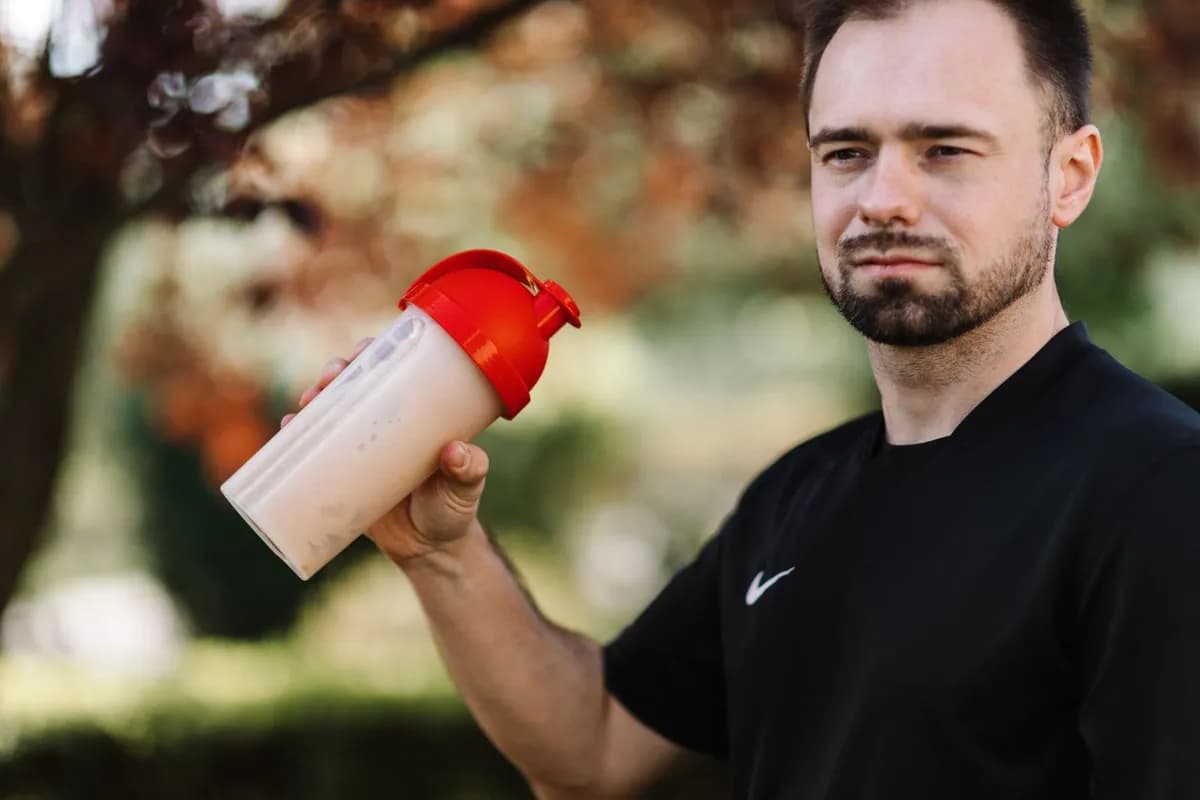
Creatine monohydrate remains one of the most extensively studied sports supplements. Understanding its actual relationship with DHT requires reading the original research carefully. Photo: www.kaboompics.com / Pexels
What Fifteen Years of Follow-Up Research Actually Shows
The scientific community did not ignore the 2009 study. It attempted to replicate and extend the findings — with notably different results.
A 2021 meta-analysis published in the Journal of the International Society of Sports Nutrition (Antonio et al.) pooled data from twelve studies involving 276 participants and examined the effect of creatine supplementation on serum hormones including total testosterone, free testosterone, and DHT. The analysis found no statistically significant changes in any of these hormone markers attributable to creatine. The 2009 DHT finding was not reproduced at the meta-analytic level. This aligns with the broader clinical understanding of androgenetic hair loss mechanisms, where sustained follicular DHT exposure — not brief hormonal fluctuations — drives progressive miniaturisation.
More recently, a 2025 randomised controlled trial by Lak and colleagues enrolled forty-five resistance-trained men and assigned them to either 5 grams of creatine monohydrate per day or placebo for twelve weeks. This study went further than any previous research by measuring not only serum hormones but actual hair parameters — using trichogram analysis and scalp imaging to assess hair density, hair thickness, and follicular counts directly. The result: no significant differences in any hormone level or any hair growth parameter between the creatine and placebo groups. This is, to date, the only randomised trial to measure hair outcomes in creatine users. It found nothing.
The original 2009 study linking creatine to elevated DHT is also worth contextualising against the PubMed record on creatine and DHT — its limitations, including small sample size, lack of hair outcome measures, and absence of replication, are significant enough that building clinical decisions around it alone would be methodologically unsound.
The current weight of scientific evidence does not support a clinically meaningful link between creatine supplementation and hair loss. The 2009 finding has not been replicated in hormone studies at scale, and the only trial to directly examine hair outcomes found no effect.
That said, intellectual honesty requires acknowledging that the 2009 study cannot simply be dismissed. It is peer-reviewed, published in a credible journal, and the DHT elevation it observed — however modest and transient — has not been definitively explained. A definitive refutation would require a large, well-powered, long-duration trial with pre-stratified participants assessed for androgenetic predisposition. That trial has not been conducted.
The Honest Risk Assessment: Who Should Think About This More Carefully
The binary framing — creatine either causes hair loss or it does not — is less useful than a stratified one.
For men with no family history of hair loss and no current signs of androgenetic alopecia, the available evidence provides reasonable reassurance. There is no documented mechanism by which creatine damages follicles in men without genetic predisposition, and no study has demonstrated hair loss outcomes in this population.
For men who are already developing androgenetic alopecia — whether or not they have started treatment — the picture is more nuanced. If your follicles are already sensitive to DHT, any factor that chronically or substantially elevates DHT is worth understanding. Clinical studies indicate that the 2009 study suggested a transient elevation; the 2021 meta-analysis did not replicate it at a population level. But the honest answer is that the data in genetically predisposed men, specifically, have not been studied with adequate rigour to permit a confident statement either way.
The practical implication is not to stop taking creatine. Creatine monohydrate has a well-established safety and efficacy record for performance outcomes, and the evidence for a hair loss effect is weak. The practical implication is this: if you are predisposed to androgenetic alopecia, your priority should be managing the underlying DHT-follicle dynamic through established clinical means — not modifying your supplement stack based on an unreplicated study. A consultation to assess your pattern, your stage, and whether a DHT-blocking protocol is appropriate addresses the actual variable. Whether or not you take creatine is, by comparison, a minor consideration. Results may vary for each individual depending on the extent of androgenetic predisposition and current stage of follicular miniaturisation.
For the broader question of how training itself affects hair loss risk, the broader question of training and hair loss is covered separately, as it involves different mechanisms — including cortisol, caloric restriction, and overtraining syndrome — that are distinct from the creatine-DHT question.
Common Myths About Creatine and Hair Loss
"Creatine is proven to cause hair loss." No study has demonstrated a hair loss outcome attributable to creatine. The only randomised trial to measure hair density in creatine users (Lak et al., 2025) found no effect on any hair parameter. The 2009 DHT finding is interesting; it is not proof of hair loss causation.
"The supplement industry is hiding the evidence." The supplement industry would prefer you did not know that the 2009 study had twenty participants and did not measure a single hair. It is, nonetheless, the source of approximately ninety per cent of what you have read on this topic. The evidence base is genuinely thin — in both directions.
"Stopping creatine will fix my hair loss." If you have androgenetic alopecia, it is driven by a genetic sensitivity to DHT that predates any supplement you have taken. Discontinuing creatine will not reverse follicular miniaturisation. If hair loss is progressing, the appropriate response is clinical assessment and, where indicated, a DHT-management protocol — not supplement modification.
"All gym supplements carry the same DHT risk." They do not. Anabolic-androgenic steroids are a well-established accelerant of androgenetic hair loss in genetically susceptible men — the mechanism is direct and significant. Creatine is not an anabolic steroid. Protein supplements, pre-workout formulas, and most other sports nutrition products have no documented mechanism for increasing DHT meaningfully. The risks are not equivalent.
"If creatine raises DHT even a little, it must be bad for hair." DHT is harmful to follicles only in men with the relevant genetic receptor sensitivity. Transient fluctuations in DHT within normal clinical ranges do not have the same effect as the chronic, sustained follicular DHT exposure that drives androgenetic alopecia over years and decades. The mechanism of AGA requires prolonged exposure, not brief spikes.
Frequently Asked Questions About Does Creatine Cause Hair Loss in Malta
Does creatine cause hair loss?
Based on current evidence, creatine has not been shown to cause measurable hair loss in human studies. A 2009 study found elevated DHT in rugby players taking creatine, but that study did not assess hair outcomes and has not been replicated. A 2025 randomised controlled trial that specifically measured hair density in creatine users found no significant differences compared to placebo. The honest answer is that a causal link has not been established, though the evidence base is not yet large enough for an absolute refutation. Results may vary for each individual depending on genetic predisposition.
Does creatine increase DHT levels?
One small study (van der Merwe, 2009, n=20) found a 56% increase in DHT during creatine loading. A subsequent 2021 meta-analysis of twelve studies and 276 participants found no statistically significant DHT increase. The findings are contradictory, and the 2009 result has not been independently replicated. At present, the balance of evidence does not confirm a reliable DHT-elevating effect of creatine supplementation.
Should I stop taking creatine if I notice hair thinning?
Hair thinning in a man — particularly if it follows a pattern (frontal recession, crown thinning) or has a family history — is almost certainly androgenetic alopecia, which is a genetic condition driven by follicular sensitivity to DHT. Stopping creatine is unlikely to halt or reverse this process. The appropriate step is a clinical assessment to confirm the diagnosis, assess the stage, and evaluate whether medical management — such as finasteride's role in DHT reduction or other prescription protocols — is appropriate. Modifying your supplement stack is a much lower-priority action than addressing the underlying androgenetic driver. You can read more about the genetic and hormonal causes of hair loss in men to understand what is actually happening at the follicle level.
How much does a hair loss consultation cost in Malta?
Carisma Hair Clinic offers an initial diagnostic consultation at no cost, which includes scalp imaging and density mapping to establish a precise baseline. This allows Dr. Giovanni Scornavacca to provide a clinical picture of your current pattern and stage before any treatment costs are discussed. Treatment protocol costs are presented transparently during the consultation and vary based on the specific interventions recommended for your pattern of loss. There are no hidden fees and no obligation to proceed following the consultation.
Is creatine safe to take if I have a family history of hair loss?
Creatine monohydrate is one of the most extensively studied sports supplements in existence, with an excellent safety profile across decades of research. For men with a family history of androgenetic alopecia, the current evidence does not establish creatine as a meaningful risk factor for accelerating hair loss. However, if you are concerned about your predisposition, the clinically appropriate step is a baseline assessment — not supplement elimination. A hair specialist can identify whether miniaturisation is already occurring, which is actionable information regardless of your supplement choices.
What hair loss treatments are available in Malta?
At Carisma Hair Clinic in St Julian's, clinical studies indicate that the most effective non-surgical approaches for androgenetic alopecia include PRP (platelet-rich plasma) therapy, exosome therapy, and tailored prescription protocols such as topical or oral DHT-blocking medications where clinically appropriate. These are delivered through the Hair Reset Protocol — a structured, personalised programme that begins with diagnostic imaging and ends with a treatment plan matched to your specific pattern and stage. Results may vary for each individual based on the degree of existing follicular miniaturisation and genetic factors.
What are the YMYL risks of self-treating hair loss based on supplement advice?
Acting on unverified supplement advice for a YMYL (health) concern like hair loss carries real clinical risk. The primary danger is delayed diagnosis: androgenetic alopecia progresses continuously, and follicles that have fully miniaturised cannot be restored by any non-surgical protocol. Men who spend months eliminating supplements, adjusting diet, or trying over-the-counter topicals based on forum advice often present later with a more advanced pattern and a narrower window for effective intervention. The appropriate action for any man noticing hair changes is professional clinical assessment — not self-directed supplement modification.
A Clinical Perspective on the Right Question to Ask
The energy spent on the creatine question often crowds out the more productive one. The relevant variable for a man concerned about hair loss and training is not which supplement he takes — it is whether he has androgenetic alopecia, what stage it is at, and whether he is managing the DHT-follicle dynamic with a clinical protocol.
If you are predisposed to hair loss and training seriously, the question is not whether to take creatine. It is whether you have a clinical protocol managing your DHT levels. That is the conversation worth having — and, as the AAD guidelines on hair loss management make clear, early intervention produces better outcomes than waiting for loss to become visible.
At Carisma Hair Clinic in St Julian's, Malta, we work with men who are navigating exactly this — the intersection of an active lifestyle and early or progressive androgenetic hair loss. The Hair Reset Protocol begins with scalp imaging and density mapping to establish a precise baseline, followed by a personalised treatment plan combining the evidence-based interventions that your pattern and stage actually call for. We accept twelve patients per month, which allows us to give each case the diagnostic time it deserves.
The supplement stack is rarely the issue. The follicles are. If you would like to understand what is happening at that level — and what can be done about it — a clinical assessment is the starting point.
For a broader view of available hair loss treatment Malta options, or to understand steps to protect your hair while training if loss has already begun, both resources are worth reading alongside this one.
Ready to Take Control of Your Hair Loss?
If you've been researching your options and want a clinical assessment rather than another generic recommendation, Carisma Hair Clinic offers a comprehensive diagnostic consultation — scalp imaging, density mapping, and a personalised protocol designed around your specific pattern of loss.
→ Book Your Free Hair Loss Consultation
Dr. Giovanni Scornavacca and the team at Carisma Hair Clinic are available at our St Julian's clinic.
About the Author
Dr. Giovanni Scornavacca is a hair restoration specialist with over 20 years of clinical experience, with advanced training at universities in Rome and Bologna. He leads the Hair Reset Protocol at Carisma Hair Clinic — Malta's most complete non-surgical hair regrowth programme. Dr. Scornavacca specialises in diagnosing and treating androgenetic alopecia, telogen effluvium, and complex hair loss presentations using PRP, exosome therapy, and tailored prescription protocols.
Medical Disclaimer: This article is for informational purposes only and does not constitute medical advice, diagnosis, or treatment recommendations. Results may vary for each individual. Always consult a qualified healthcare professional before starting any hair loss treatment. Dr. Giovanni Scornavacca and Carisma Hair Clinic are available for clinical consultation at our St Julian's, Malta clinic.
Written and reviewed by Dr. Giovanni Scornavacca, Carisma Hair Clinic. Published: 26 June 2026.
Ready to Take Action?
Book a free online consultation with Nurse Leticia to talk through your hair loss, then see Dr. Giovanni Scornavacca at the clinic for a personalised assessment and treatment plan.
Book a Free Consultation