Dr. Giovanni Scornavacca
26 June 2026 · 28 min read
Medically reviewed by Dr. Giovanni Scornavacca — Hair Restoration Specialist, Carisma Hair Clinic, St Julian's, Malta. 20+ years clinical experience, trained in Rome and Bologna.
Medically reviewed by Dr. Giovanni Scornavacca — Hair Restoration Specialist, Carisma Hair Clinic, St Julian's, Malta. 20+ years clinical experience, with advanced training at universities in Rome and Bologna.
Hair Loss Causes in Men Malta: 8 Clinical Causes Explained
Male hair loss has eight distinct causes — and identifying the right one determines whether treatment works. Androgenetic alopecia accounts for roughly 80% of cases, but the remaining 20% involve mechanisms that respond to entirely different interventions. Misidentifying the cause leads to ineffective treatment. This guide covers each cause, how it presents, and what clinical assessment it requires.
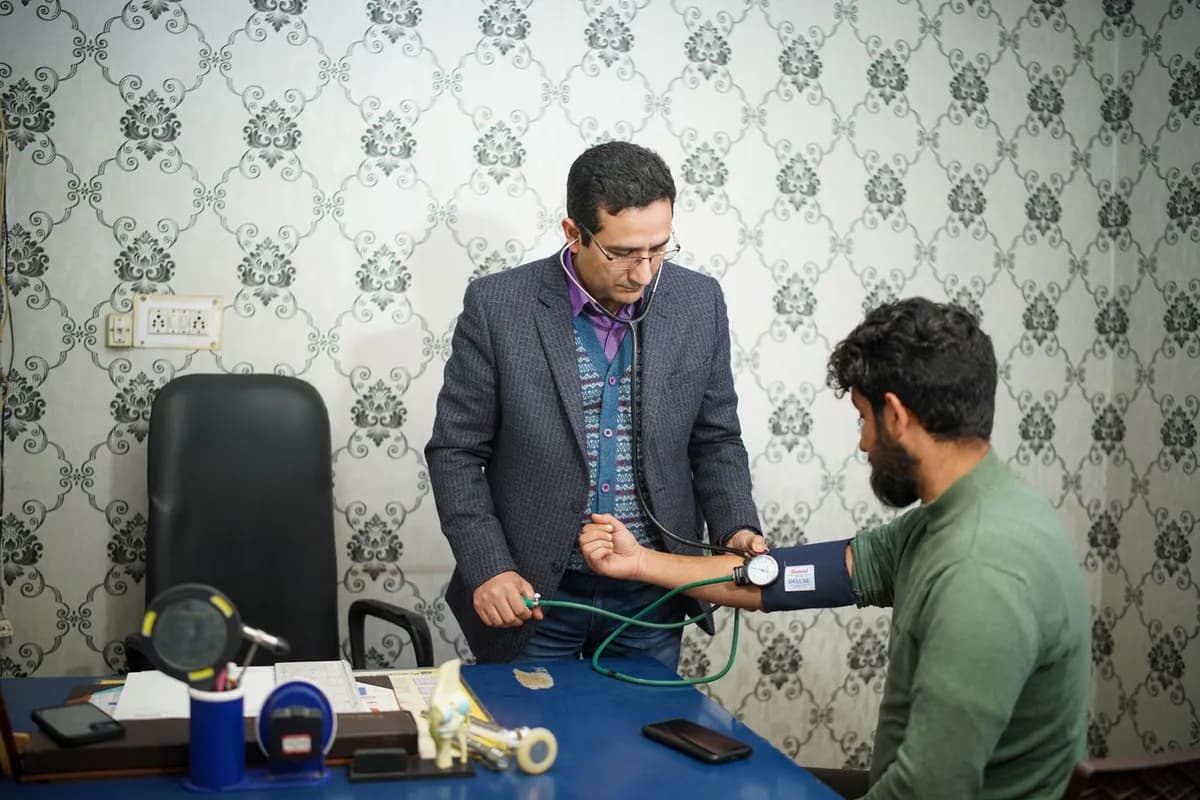
Photo by Imad Clicks via Pexels. Accurate diagnosis starts with a clinical assessment — not a Google search.
You noticed it on a Tuesday morning. The bathroom light caught something on the top of your head — a patch that looked different, or a hairline that sat further back than you remembered. You did what most men do: said nothing to anyone, and opened a browser tab at a time when no one was watching.
Hair loss in men is common, private, and frequently misunderstood. The statistics are not comforting: approximately 50% of men experience androgenetic hair loss by age 50, and roughly 70% by age 70. But those figures describe one cause only. Men also lose hair to stress, scalp inflammation, medications, anabolic compounds, nutritional gaps, autoimmune conditions, and thyroid dysfunction — sometimes in combination, and often without realising it.
The first step is not a treatment decision. It is an accurate cause assessment. This guide outlines the eight clinically recognised causes of hair loss in men in Malta, what distinguishes each one, and what evaluation each requires. If you are already looking for hair loss treatment Malta, knowing your cause is what makes treatment effective rather than merely expensive. Clinical studies indicate that early, cause-specific intervention consistently produces better outcomes than delayed or incorrectly targeted treatment.
Contents
- Cause 1: Androgenetic Alopecia (Male Pattern Baldness)
- Cause 2: Telogen Effluvium
- Cause 3: Alopecia Areata
- Cause 4: Scalp Conditions
- Cause 5: Anabolic Steroids
- Cause 6: Medications
- Cause 7: Nutritional Deficiencies
- Cause 8: Thyroid Dysfunction
- The Overlap Problem: When Multiple Causes Coexist
- The Malta UV Factor
- Frequently Asked Questions
- Ready to Take Control of Your Hair Loss?
Cause 1: Androgenetic Alopecia (Male Pattern Baldness)
Androgenetic alopecia — commonly called male pattern baldness — is responsible for approximately 80% of hair loss causes in men. Its mechanism is well-established and supported by a substantial body of evidence. Testosterone is converted to dihydrotestosterone (DHT) by the enzyme type II 5-alpha reductase, primarily within hair follicles. In men with a genetic predisposition, DHT binds to androgen receptors in scalp follicles and initiates a gradual shortening of the anagen (growth) phase with each hair cycle. Over repeated cycles, the hair shaft becomes progressively thinner and shorter — a process called follicular miniaturisation — until the follicle can no longer produce a visible hair.
The pattern is predictable. Loss begins at the temples and crown, following the Norwood classification system from Stage I (no significant recession) through Stage VII (a residual horseshoe fringe). It is polygenic, inherited from both parents: while the androgen receptor gene sits on the X chromosome (received from the mother), genome-wide association studies have identified over 60 additional risk loci across both parental lines. Evidence suggests that early intervention, before terminal miniaturisation, preserves the greatest range of treatment options.
A comprehensive review published in PMC outlines the current understanding of androgenetic alopecia pathophysiology, confirming that DHT-mediated follicular miniaturisation is the central mechanism. Clinical studies indicate that treatment is most effective when initiated before significant density loss has occurred.
What distinguishes it: Gradual onset over years; follows a recognisable pattern; consistent with family history on either side.
What to do: Clinical assessment to confirm the pattern and stage it on the Norwood scale. Treatment may help slow progression before follicles are terminally miniaturised — early intervention may preserve more options. Results may vary for each individual. Read the detailed breakdown of underlying causes of male hair loss for the full clinical picture.
Cause 2: Telogen Effluvium
Telogen effluvium (TE) is the second most common cause of hair loss in men, though it is often overlooked because it appears 2–3 months after the triggering event — by which point many men have forgotten the trigger. The mechanism: a physiological or psychological stressor abruptly shifts a disproportionate number of hair follicles from the anagen (growth) phase into the telogen (resting) phase simultaneously. When those resting hairs are shed weeks later, the loss appears sudden and diffuse rather than patterned.
In men, common triggers include serious illness, surgery, hospitalisation, significant and rapid weight loss, prolonged caloric restriction, and sustained occupational or psychological stress. Men who undertake extreme training protocols — overtraining combined with caloric deficit — are also susceptible. The resulting TE is typically reversible once the triggering stress resolves, with hair count generally returning to baseline within 6–9 months for acute episodes — though results may vary for each individual.
However, TE that is not addressed can persist as chronic TE — particularly when the underlying cause continues (unresolved stress, ongoing nutritional deficiency, or concurrent androgenetic alopecia). In men with pre-existing androgenetic alopecia, a TE episode can make patterned loss appear to worsen dramatically and suddenly, creating diagnostic confusion.
What distinguishes it: Diffuse shedding across the scalp rather than a specific pattern; onset 2–3 months post-stressor; often associated with a clear precipitating event.
What to do: Identify and address the trigger. If shedding has persisted beyond 3 months, a clinical assessment to rule out concurrent or underlying causes is appropriate. For detail on the sudden presentation specifically, see sudden or patchy hair loss.
Photo by Pavel Danilyuk via Pexels. Telogen effluvium can follow a period of sustained physical or psychological stress.

Cause 3: Alopecia Areata
Alopecia areata is an autoimmune condition in which the immune system mistakenly targets hair follicles. Unlike androgenetic alopecia, which follows a predictable pattern, alopecia areata presents as discrete, sharply defined circular or oval patches of hair loss — most commonly on the scalp, but also possible in the beard, eyebrows, or elsewhere on the body. In some cases it progresses to alopecia totalis (complete scalp hair loss) or alopecia universalis (total body hair loss), though these more extensive forms are less common.
The prevalence is estimated at approximately 2% of the population over a lifetime, affecting men and women equally. The condition has a recognised association with other autoimmune disorders — thyroid disease, vitiligo, and type 1 diabetes — and appears more frequently in individuals with a family history of autoimmune conditions. Stress is consistently reported as a trigger or exacerbating factor in clinical surveys, though establishing a definitive causal mechanism remains an area of ongoing research.
Alopecia areata has a variable and unpredictable course. Spontaneous remission occurs in a proportion of cases, particularly in limited, localised presentations. Medical treatment includes intralesional corticosteroid injections, topical immunotherapy, and — more recently — JAK inhibitors, which have shown meaningful efficacy in clinical trials for more extensive disease.
What distinguishes it: Well-defined round or oval patches; can affect non-scalp hair; associated with other autoimmune history; not patterned.
What to do: Dermatological assessment is required. This is a distinct pathology from androgenetic alopecia and requires different clinical management. Results may vary for each individual depending on the extent and chronicity of involvement.
Cause 4: Scalp Conditions — Seborrheic Dermatitis, Psoriasis, and Fungal Infections
Scalp inflammation from chronic skin conditions is an under-acknowledged contributor to male hair loss — not because these conditions directly destroy follicles, but because sustained inflammation at the scalp level can accelerate the miniaturisation process in men who are already genetically predisposed to androgenetic alopecia. The mechanisms include elevated pro-inflammatory cytokine activity in the perifollicular environment, chronic scratching that causes mechanical follicle trauma, and, in fungal infections (tinea capitis), direct follicular invasion.
Seborrheic dermatitis — characterised by flaking, oiliness, and scalp irritation — is driven by an overgrowth of Malassezia yeast species and is more prevalent in men than women. Clinical evidence suggests that Malassezia provokes a local inflammatory response that may exacerbate androgenetic miniaturisation. It is also one of the most treatable causes: medicated shampoos containing ketoconazole, selenium sulphide, or zinc pyrithione can help reduce yeast populations and associated inflammation.
Scalp psoriasis produces raised, silvery plaques with significant inflammation and is associated with a systemic inflammatory profile (elevated TNF-alpha, IL-17) that has been implicated in follicular disruption.
Tinea capitis (scalp ringworm) — a fungal infection — causes patchy hair loss with scaling and is more common in younger males, though it can occur at any age.
What distinguishes it: Visible scalp changes (scale, redness, plaques, or lesions); often accompanied by itch or discomfort; hair loss tracks the inflamed areas rather than following an androgenetic pattern.
What to do: Dermatological assessment and treatment of the underlying scalp condition. Managing inflammation may help slow associated hair loss.
Cause 5: Anabolic Steroids
The relationship between anabolic-androgenic steroids (AAS) and hair loss is among the most clearly evidenced in this list. AAS are synthetic derivatives of testosterone engineered for elevated anabolic (muscle-building) and variable androgenic (male characteristic) activity. Many convert to DHT at high rates, or bind directly to androgen receptors with greater affinity than testosterone itself. In men with a genetic predisposition to androgenetic alopecia — even mild predisposition that might not have manifested for another decade — AAS exposure may dramatically accelerate follicular miniaturisation.
The mechanism is the same as androgenetic alopecia: elevated androgen activity shortens the anagen phase. The difference is one of intensity and speed. A man who might have experienced gradual hairline recession beginning in his mid-thirties may find that an AAS cycle produces visible accelerated shedding within months. The acceleration is generally not reversible post-cycle in follicles that have already begun miniaturisation, though cessation prevents further chemically-driven acceleration.
This is distinct from the question of protein supplements or creatine. Ordinary fitness supplementation has not been shown to cause hair loss. The AAS-hair loss link applies specifically to pharmacological androgen exposure, not to natural testosterone fluctuations that occur with resistance training.
What distinguishes it: History of AAS use; rapid onset of androgenetic pattern loss in a younger man; more aggressive progression than expected for age or family history.
What to do: Cessation of AAS eliminates the accelerated androgenic stimulus. Medical therapy with finasteride or minoxidil may then be considered to help manage residual androgenetic alopecia. Results may vary for each individual. Discuss openly with your prescribing clinician — context is essential for appropriate management.
Cause 6: Medications
A number of prescription medications are associated with drug-induced hair loss (DIHL), most commonly through induction of telogen effluvium, though some affect the anagen phase directly. Unlike androgenetic alopecia, medication-induced hair loss is typically diffuse and reversible once the offending drug is discontinued or its dose adjusted — though this should always be done in consultation with the prescribing physician.
Medications commonly associated with hair loss in men include:
- Beta-blockers and some antihypertensives (e.g., metoprolol, atenolol): associated with telogen effluvium, typically within 2–4 months of starting treatment.
- Lithium: a well-documented cause of telogen effluvium; affects 12–19% of users in some studies.
- Anticoagulants (e.g., warfarin, heparin): associated with drug-induced telogen effluvium.
- Retinoids (e.g., isotretinoin, used for acne): high-dose vitamin A derivatives can cause diffuse shedding.
- Chemotherapy agents: anagen effluvium (a different mechanism — direct follicle toxicity during growth phase) producing rapid, often total, hair loss. This is generally reversible post-treatment.
- Immunosuppressants: variable effects depending on the agent.
It is worth noting that finasteride — a prescription-only medication proven to address the DHT-driven component of androgenetic alopecia — will not reverse hair loss caused by a beta-blocker or lithium. The mechanism is different. Treatment decisions must account for the actual cause. The NHS provides general guidance on medication-related hair loss as part of its wider hair loss resource.
What distinguishes it: History of starting a new medication within the preceding 2–4 months; diffuse rather than patterned loss; often reversible.
What to do: Do not discontinue any prescribed medication without consulting your doctor. Review the medication list with your clinician and, if DIHL is suspected, discuss whether alternatives exist. A hair loss specialist assessment can help distinguish drug-induced loss from coincidental androgenetic alopecia.
Cause 7: Nutritional Deficiencies
Nutritional deficiencies are a less common cause of hair loss in men than in women — men are less likely to experience the iron depletion associated with menstruation, and are less commonly affected by conditions like thyroid disease that drive nutritional disruption. However, nutritional causes are not absent in male patients and should not be dismissed, particularly in men following restrictive diets, those who have undergone bariatric surgery, or those with malabsorption conditions.
Iron deficiency is the most studied nutritional cause of hair loss. While the specific serum ferritin threshold at which hair shedding is triggered is debated in the literature, clinical consensus suggests that ferritin levels below 30 µg/L are associated with increased telogen shedding. Men can develop iron deficiency through chronic gastrointestinal blood loss (peptic ulcers, colorectal pathology), not solely through dietary inadequacy.
Zinc plays a role in hair follicle matrix cell proliferation and differentiation. Zinc deficiency is associated with diffuse hair loss and has been documented in men on very low-calorie diets, those with Crohn's disease, and heavy alcohol users.
Vitamin D has recognised roles in the hair cycle — vitamin D receptors are expressed in dermal papilla cells and hair follicles. Low vitamin D levels have been associated with alopecia areata and telogen effluvium in observational studies, though causality is not definitively established by current evidence.
What distinguishes it: Diffuse shedding; associated dietary history or risk factors for malabsorption; may respond to correction of the deficiency.
What to do: Blood testing — ferritin, full blood count, serum zinc, and vitamin D — is straightforward and provides a clear baseline. Read more about testing for deficiencies and hormonal factors before concluding that nutrition is not a contributing factor.
Cause 8: Thyroid Dysfunction
Thyroid-related hair loss is significantly more common in women than men — thyroid disorders (particularly autoimmune hypothyroidism, or Hashimoto's thyroiditis) have a female-to-male prevalence ratio of approximately 8:1. However, men are not immune, and thyroid-induced hair loss is frequently under-diagnosed in male patients precisely because clinicians — and patients themselves — tend not to consider it among the expected hair loss causes for men.
Both hypothyroidism (underactive thyroid) and hyperthyroidism (overactive thyroid) can cause diffuse hair loss. The mechanism involves disruption to the hair cycle: thyroid hormones (T3 and T4) regulate follicular cycling, and abnormal levels shift follicles toward the telogen phase. Hypothyroid-related hair loss is often accompanied by other symptoms — fatigue, weight gain, cold intolerance, bradycardia, and cognitive slowing — which provide diagnostic context.
Hair loss from thyroid dysfunction is generally reversible with appropriate thyroid hormone management. However, it can take 6–12 months after thyroid levels are normalised for hair density to recover noticeably — and results may vary for each individual.
Thyroid disease can coexist with androgenetic alopecia in the same patient. When it does, the androgenetic component will not respond to thyroid treatment, and vice versa. This is the overlap problem — addressed in the next section.
What distinguishes it: Diffuse, non-patterned shedding; accompanying systemic symptoms (fatigue, weight changes, thermoregulation); confirmed by TSH (thyroid-stimulating hormone) blood test.
What to do: TSH is a standard first-line blood test for hair loss workup. A result outside the normal reference range warrants endocrinological review.
The Overlap Problem: When Multiple Causes Coexist
This is the section most resources skip, and it is clinically important.
Men with hair loss very commonly have more than one cause operating simultaneously. The most frequent overlap is androgenetic alopecia combined with telogen effluvium — a man in his late thirties with gradual pattern thinning experiences a significant work stressor or illness, and within three months his hair loss appears to have accelerated dramatically. The androgenetic component was already there; the TE episode has layered on top of it.
A second common overlap: androgenetic alopecia with a scalp condition. Seborrheic dermatitis, which is more prevalent in men, creates a pro-inflammatory scalp environment that may exacerbate the miniaturisation process. Treating the dermatitis alone will not stop the androgenetic progression, and treating the androgenetic component alone will not resolve the scalp inflammation.
A third: medication-induced TE in a man who also has early androgenetic alopecia. Starting a beta-blocker at 45 may trigger diffuse shedding that makes a mild androgenetic pattern suddenly visible. The patient assumes the medication "caused" his hair loss; what it did was reveal loss that was already developing silently.
Why this matters for treatment: A single-cause framework leads to incomplete treatment. If you treat the TE but ignore the androgenetic component, hair may partially recover but continue its underlying trajectory. If you treat the androgenetic component but ignore the medication, the TE continues and the clinical picture remains confusing.
Accurate diagnosis requires distinguishing each contributing cause, not simply identifying the most likely one. This is why scalp imaging — which reveals follicle diameter patterns consistent with miniaturisation — is a more informative starting point than any single blood test or visual assessment alone. The American Academy of Dermatology also emphasises the importance of professional evaluation when hair loss cause is unclear.
The Malta UV Factor: A Local Cause Amplifier
This aspect of hair loss in Malta-based men is almost never discussed in generic guides, and it is worth raising specifically.
Malta's UV index reaches 9–10+ during summer months — classified by the WHO as Very High to Extreme. Sustained UV exposure without scalp protection has two clinically relevant effects on male hair loss. First, UV radiation generates reactive oxygen species (free radicals) in the scalp, producing oxidative stress that damages follicular DNA and can accelerate the inflammatory cascade implicated in androgenetic miniaturisation. Second, UV exposure degrades the structural proteins in the hair shaft itself — reducing tensile strength and contributing to breakage that increases the apparent rate of shedding.
For men who work outdoors — construction, agriculture, maritime industries — year-round high-intensity UV exposure is a background stressor on follicular health that does not exist in northern European climates. It does not cause androgenetic alopecia independently, but evidence suggests it may operate as an amplifying factor in a scalp already undergoing miniaturisation.
Practical implication: wearing appropriate head protection during peak UV hours (10:00–15:00, May–September) and using a UV-protective leave-in scalp treatment are simple, additive measures for men in Malta seeking to slow the androgenetic process. These are not alternatives to medical treatment; they are contextually appropriate adjuncts for the local climate.
Frequently Asked Questions About Hair Loss Causes Men Malta
What is the most common cause of hair loss in men in Malta?
Androgenetic alopecia — male pattern baldness — is responsible for approximately 80% of hair loss causes in men. It is driven by DHT acting on genetically susceptible follicles and follows the Norwood classification pattern, beginning at the temples and crown. Malta's demographic is not unusual in this respect; the prevalence follows the same pattern seen across European populations, with roughly half of men affected by age 50. The remaining 20% of male hair loss involves other causes, including those listed in this guide, and requires differential assessment rather than assuming pattern baldness.
Can stress cause permanent hair loss in men?
Stress triggers a type of hair loss called telogen effluvium — a temporary, diffuse shed that typically resolves within 6–9 months once the stressor is resolved. In the great majority of acute cases, hair returns to its pre-stress baseline. However, there are two important caveats. First, chronic stress that persists for months can produce chronic telogen effluvium, which may continue until the underlying cause is addressed. Second, if a man has pre-existing androgenetic alopecia, a stress-induced TE episode can expose the pattern of loss that was already developing, making it appear permanent when in fact two distinct processes are operating simultaneously. Results may vary for each individual.
Do anabolic steroids always cause hair loss in men?
No — but they may significantly accelerate hair loss in men who are genetically predisposed to androgenetic alopecia. The key variable is genetic susceptibility. A man with no androgenetic risk may use AAS with minimal follicular impact; a man with moderate genetic risk may experience years of expected gradual progression compressed into months of a single cycle. The acceleration is driven by elevated DHT (or direct androgen receptor agonism), which intensifies the miniaturisation process. Stopping AAS removes the accelerant but does not reverse miniaturisation in follicles that have already been affected. For men in this situation, early consultation with a hair loss specialist is advisable.
How much does a hair loss consultation cost in Malta?
At Carisma Hair Clinic in St Julian's, Malta, the initial hair loss consultation is offered free of charge. This includes a clinical assessment, scalp imaging, and a personalised discussion of findings. Subsequent treatment protocols — which may include prescription medications, PRP therapy, exosome therapy, or the Hair Reset Protocol — are priced according to the individual plan agreed following diagnosis. We recommend beginning with a consultation to understand your specific pattern and cause before committing to any treatment investment.
What blood tests should a man have for hair loss?
The standard clinical workup for male hair loss causes includes: thyroid-stimulating hormone (TSH) to assess thyroid function; serum ferritin and full blood count to assess iron status and rule out anaemia; serum zinc, if dietary deficiency is suspected; and vitamin D. In cases of rapid or unusual presentation, free and total testosterone, DHEAS, and prolactin may also be requested. For men with a classic pattern of androgenetic alopecia and a clear family history, blood tests are often not required as a first step — the clinical diagnosis may be sufficient. For atypical presentations, rapid onset, or diffuse shedding, blood tests are standard of care. More detail on what each test reveals is in the blood tests for hair loss guide.
Can scalp conditions cause permanent hair loss?
Scalp conditions such as seborrheic dermatitis, psoriasis, and tinea capitis cause inflammation and, in the case of fungal infections, direct follicular invasion. In most cases, when the underlying scalp condition is treated and the inflammatory environment is resolved, hair loss associated with that condition may reverse. However, if inflammation is left unmanaged for a prolonged period — particularly in men who also have androgenetic alopecia — the combined inflammatory and androgenic insult can accelerate the permanence of miniaturisation in already-vulnerable follicles. Timely treatment of scalp conditions is therefore both a dermatological and a hair preservation matter.
Is thyroid-related hair loss common in men in Malta?
Less common than in women — thyroid disorders are approximately eight times more prevalent in women — but it does occur in men and is frequently under-investigated. Men with unexplained diffuse hair loss, particularly when accompanied by symptoms such as fatigue, unexplained weight changes, cold or heat sensitivity, or altered mood, should have a TSH test as part of their initial workup. Thyroid-related hair loss is generally reversible once thyroid levels are normalised, though the recovery timeline can span 6–12 months and results may vary for each individual. Because the presentation overlaps with telogen effluvium from other causes, thyroid function should always be checked before attributing diffuse shedding to stress alone.
Can multiple causes of hair loss occur at the same time?
Yes — and this is more common than most guides acknowledge. A man can simultaneously experience androgenetic alopecia, a telogen effluvium episode triggered by illness or stress, and seborrheic dermatitis. Each of these has a distinct mechanism, and each responds to different interventions. Treating only one cause when multiple are present produces incomplete results and can create the false impression that treatment has failed. This is why a full clinical assessment — rather than self-diagnosis based on the most probable single cause — is the appropriate starting point when hair loss is progressing or difficult to characterise.
Is hair loss treatment in Malta safe?
The treatments offered at Carisma Hair Clinic — including prescription medications (finasteride, minoxidil), PRP therapy, and exosome therapy — all have established safety profiles supported by clinical evidence. As with any medical intervention, suitability depends on individual circumstances, existing health conditions, and concurrent medications. All treatment at Carisma Hair Clinic is preceded by a full clinical assessment to ensure the protocol is appropriate for each patient. Results may vary for each individual. We strongly recommend a professional consultation before starting any hair loss treatment.
Understanding the Cause Is the First Step
Hair loss in men in Malta is not a single condition with a single solution. It is a clinical picture with up to eight possible contributing causes — frequently more than one operating at once, and each requiring a different response. The information in this guide is a reference framework, not a substitute for a professional assessment.
At Carisma Hair Clinic in St Julian's, we begin with what the evidence supports: scalp imaging and density mapping to assess the miniaturisation pattern, a structured clinical history, and — where relevant — a targeted blood panel. We do not begin with a treatment recommendation. We begin with an accurate picture.
If you have been trying to map your hair loss to a single cause and finding that the picture does not quite fit, that ambiguity is clinical information. It means the assessment matters.
For men in the early stages of noticing change, understanding early signs of balding is a useful starting point before booking a clinical assessment.
Ready to Take Control of Your Hair Loss?
If you've been researching your options and want a clinical assessment rather than another generic recommendation, Carisma Hair Clinic offers a comprehensive diagnostic consultation — scalp imaging, density mapping, and a personalised protocol designed around your specific pattern of loss.
→ Book Your Free Hair Loss Consultation
Dr. Giovanni Scornavacca and the team at Carisma Hair Clinic are available at our St Julian's clinic.
About the Author
Dr. Giovanni Scornavacca is a hair restoration specialist with over 20 years of clinical experience, with advanced training at universities in Rome and Bologna. He leads the Hair Reset Protocol at Carisma Hair Clinic — Malta's most complete non-surgical hair regrowth programme. Dr. Scornavacca specialises in diagnosing and treating androgenetic alopecia, telogen effluvium, and complex hair loss presentations using PRP, exosome therapy, and tailored prescription protocols.
Medical Disclaimer: This article is for informational purposes only and does not constitute medical advice, diagnosis, or treatment recommendations. Results may vary for each individual. Always consult a qualified healthcare professional before starting any hair loss treatment. Dr. Giovanni Scornavacca and Carisma Hair Clinic are available for clinical consultation at our St Julian's, Malta clinic.
Written and reviewed by Dr. Giovanni Scornavacca, Carisma Hair Clinic. Published: 26 June 2026.
Ready to Take Action?
Book a free online consultation with Nurse Leticia to talk through your hair loss, then see Dr. Giovanni Scornavacca at the clinic for a personalised assessment and treatment plan.
Book a Free Consultation