Dr. Giovanni Scornavacca
30 June 2026 · 15 min read
Medically reviewed by Dr. Giovanni Scornavacca — Hair Restoration Specialist, Carisma Hair Clinic, St Julian's, Malta. 20+ years clinical experience, trained in Rome and Bologna.
Medically reviewed by Dr. Giovanni Scornavacca — Hair Restoration Specialist, Carisma Hair Clinic, St Julian's, Malta. 20+ years clinical experience, with advanced training in Rome and Bologna.
PRP Hair Treatment in Malta: Does It Actually Work?
Does PRP hair treatment work? For the right candidate, the evidence says yes. PRP (platelet-rich plasma) can slow shedding and improve density in early-to-moderate hair loss, where follicles are miniaturised but still alive. It cannot regrow hair where follicles have died, and results vary between people. A scalp assessment is what tells you which group you are in.
Contents
- Why You Are Reading This at Night
- What PRP Is and How It Works on Hair
- Does PRP Actually Work? What the Evidence Says
- Who PRP Suits and Who It Does Not
- The Process, Sessions and Realistic Timeline
- Is PRP Safe? Side Effects to Expect
- Where PRP-Alone Falls Short: The Case for a Protocol
- What PRP Costs in Malta
- Frequently Asked Questions About PRP Hair Treatment in Malta
Why You Are Reading This at Night
Most people researching PRP hair treatment in Malta are not doing it out loud. They are doing it alone, after a photo where the light caught the part differently, or after one too many mornings looking at the drain. By the time you are typing "does it actually work" into a search bar, you have probably already read a dozen contradictory pages.
So this piece does the opposite of the noise. No miracle language, no guaranteed regrowth, no shaming you for caring. Just what the clinical evidence shows about PRP, who it genuinely helps, what it costs in Malta, and where it falls short. If you have spent an evening on hair loss forums, you have our sympathy. We will try to be less confusing.
What PRP Is and How It Works on Hair
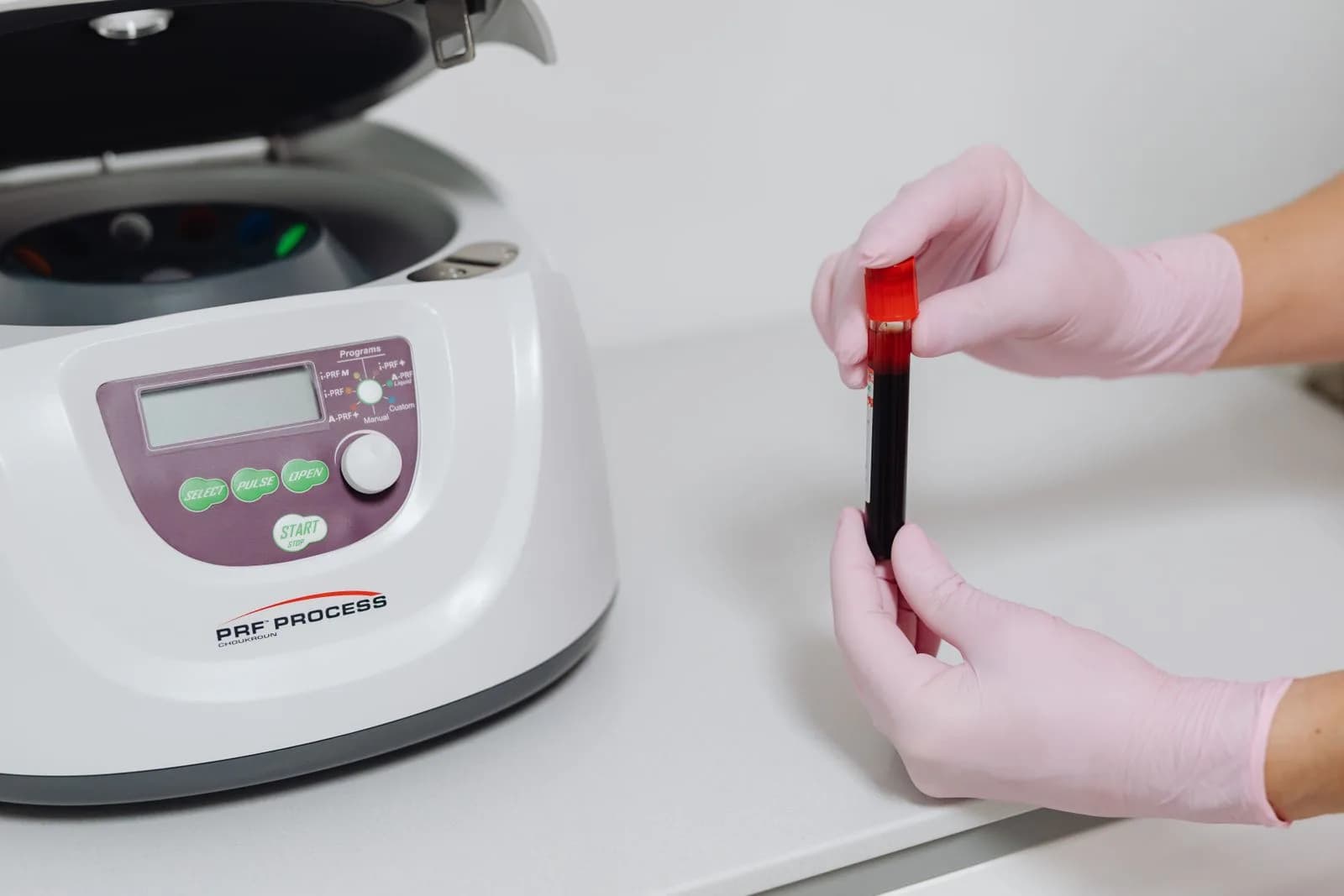
PRP stands for platelet-rich plasma. We draw a small amount of your own blood, spin it in a centrifuge to concentrate the platelets, then inject that concentrate into the scalp at the level of the follicle. Platelets carry growth factors, and in PRP they sit at roughly five times their normal blood concentration.
The theory is straightforward. Those growth factors signal dormant and miniaturising follicles to re-enter the active growth phase, improve the blood supply around them, and slow the process that is shrinking them. It is not feeding the hair you can see. It is working on the follicle underneath, which is where loss actually begins.
This matters because most shampoos and serums address the strand, a structure that is already dead. PRP targets the follicle. The two are not the same thing, and that single distinction explains why so many over-the-counter products quietly disappoint.
Representative image (not a Carisma patient procedure). Photo: Karolina Grabowska / Pexels.
Does PRP Actually Work? What the Evidence Says
Here is the honest version. The evidence for PRP is real, growing, and strongest for one specific condition: androgenetic alopecia, the pattern hair loss driven by DHT that affects both men and women.
A frequently cited histomorphometric study published on PubMed found that PRP injections increased markers of follicle activity and produced measurable improvement in pattern hair loss compared with baseline. Harvard Health, reviewing the wider literature, describes PRP as showing "some promise" for certain types of hair loss, while noting the treatments are expensive and there is no guarantee they will work. Both statements are true at once, and any clinic that tells you otherwise is selling rather than assessing.
Where the evidence weakens: PRP has limited support for scarring alopecias, alopecia areata, and any situation where follicles are no longer biologically active. Follicle death is irreversible. PRP cannot grow hair from nothing.
So "does it work" is the wrong question. The right one is "will it work for my scalp", and that depends entirely on whether your follicles are recoverable. Understanding male pattern baldness Malta helps you place your own pattern of loss before you assume PRP is or is not for you.
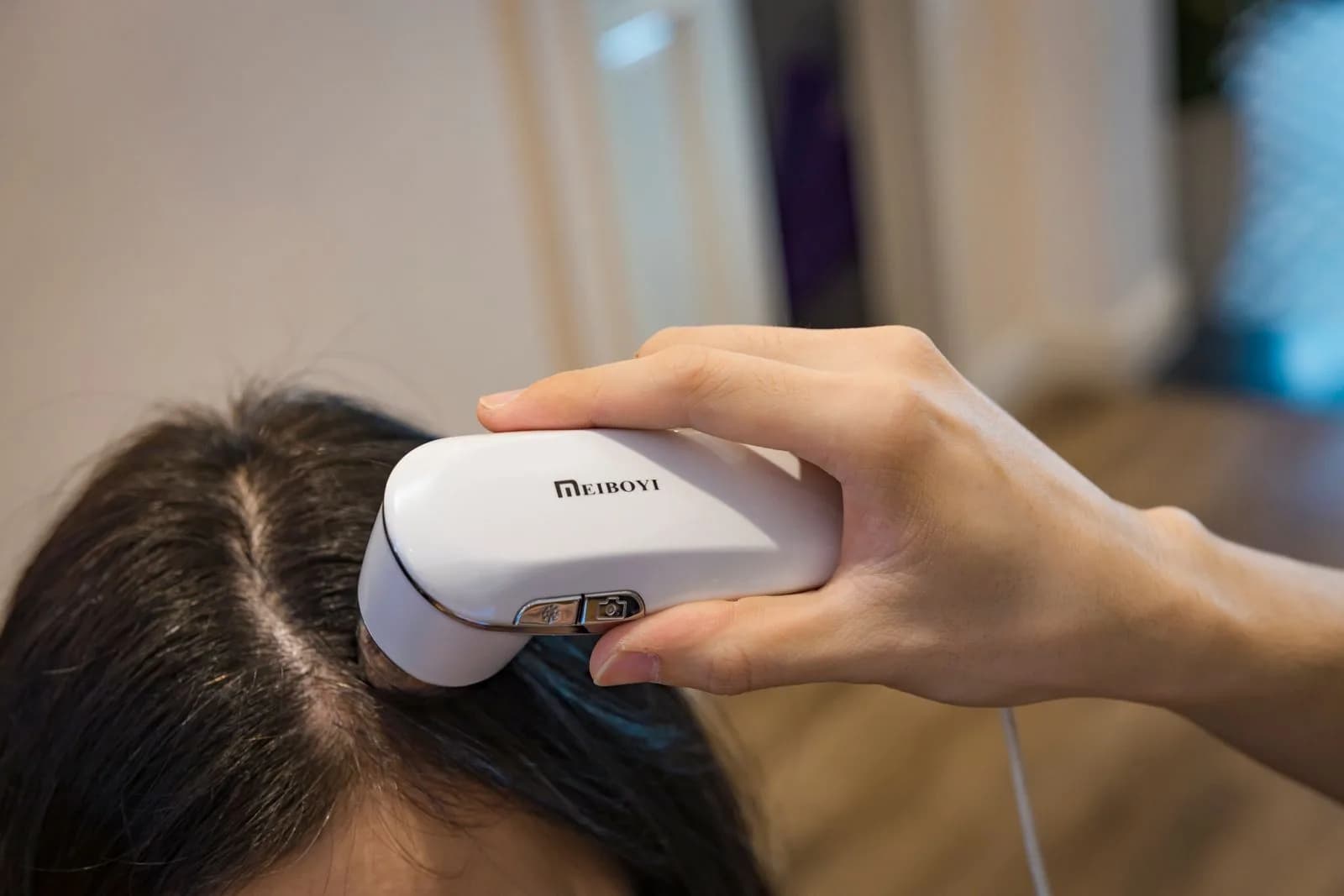
Representative scalp examination. Photo: HONG SON / Pexels.
Who PRP Suits and Who It Does Not
PRP responds best when there is still something to work with. The strongest candidates share a few features.
- Early-to-moderate pattern loss, where thinning is visible but not advanced
- Active or miniaturising follicles confirmed on scalp imaging, not bald scar tissue
- Diffuse thinning in women, including some postpartum and hormonal cases
- Younger patients at the first signs of recession or crown thinning
PRP is a poor fit, used alone, for a fully bald scalp where follicles have closed, for scarring alopecias, and for anyone expecting a one-session fix. It also asks for commitment, because the effect is maintained only while treatment continues.
This is exactly why we do not begin with treatment. The Hair Reset Protocol begins with measurement: a scalp imaging scan that maps follicle density before anyone touches your scalp. If the scan shows your follicles have already closed, we will tell you, because the worst possible outcome is treating someone we cannot help. If your loss is concentrated at the vertex, our crown thinning treatment Malta guide explains why that zone often responds particularly well.
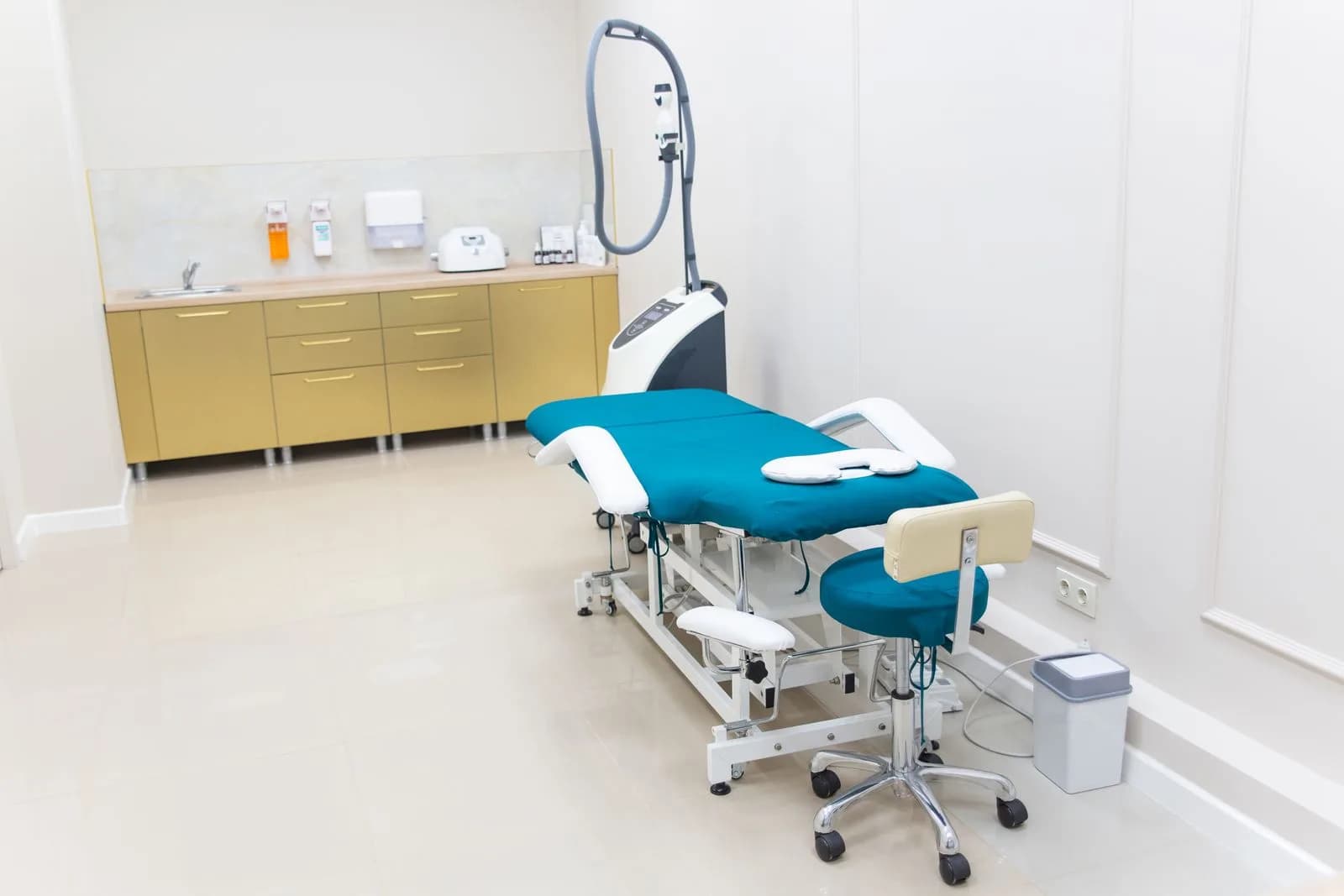
Representative clinical setting. Photo: Ivan Babydov / Pexels.
The Process, Sessions and Realistic Timeline
A single PRP session takes roughly 30 to 60 minutes from blood draw to final injection, with little to no downtime. Most people return to normal activity the same day.
The schedule is where expectations need setting. Clinical protocols typically run three to six sessions, four to six weeks apart, followed by maintenance two to three times a year. Carisma's Hair Reset 90 protocol delivers three PRP sessions inside 90 days, on a fixed sequence of clinic days, alongside prescription-supported scalp treatments.
As for results, the order matters: shedding usually slows first, often within the first two months, before any new density becomes visible. Measurable regrowth typically shows from around three to six months as new hairs move through the growth cycle. Our internal data shows a 21 to 28 percent average density increase after 90 days, as measured by scalp imaging and follicle tracking. That is a measured range, not a promise, and individual results vary.
Representative image. Photo: Towfiqu barbhuiya / Pexels.
Is PRP Safe? Side Effects to Expect
Because PRP uses your own blood, the risk of allergic reaction or rejection is very low. It remains one of the lower-risk options in hair medicine.
The realistic side effects are minor and short-lived: brief discomfort during the injections, temporary tenderness, mild redness, and occasionally minor swelling at the treated area for a day or two. Serious complications are rare when the procedure is performed by a qualified clinician under sterile conditions. PRP is not suitable for everyone, including people on certain blood-thinning medications or with specific blood disorders, which is another reason a proper medical intake comes first.
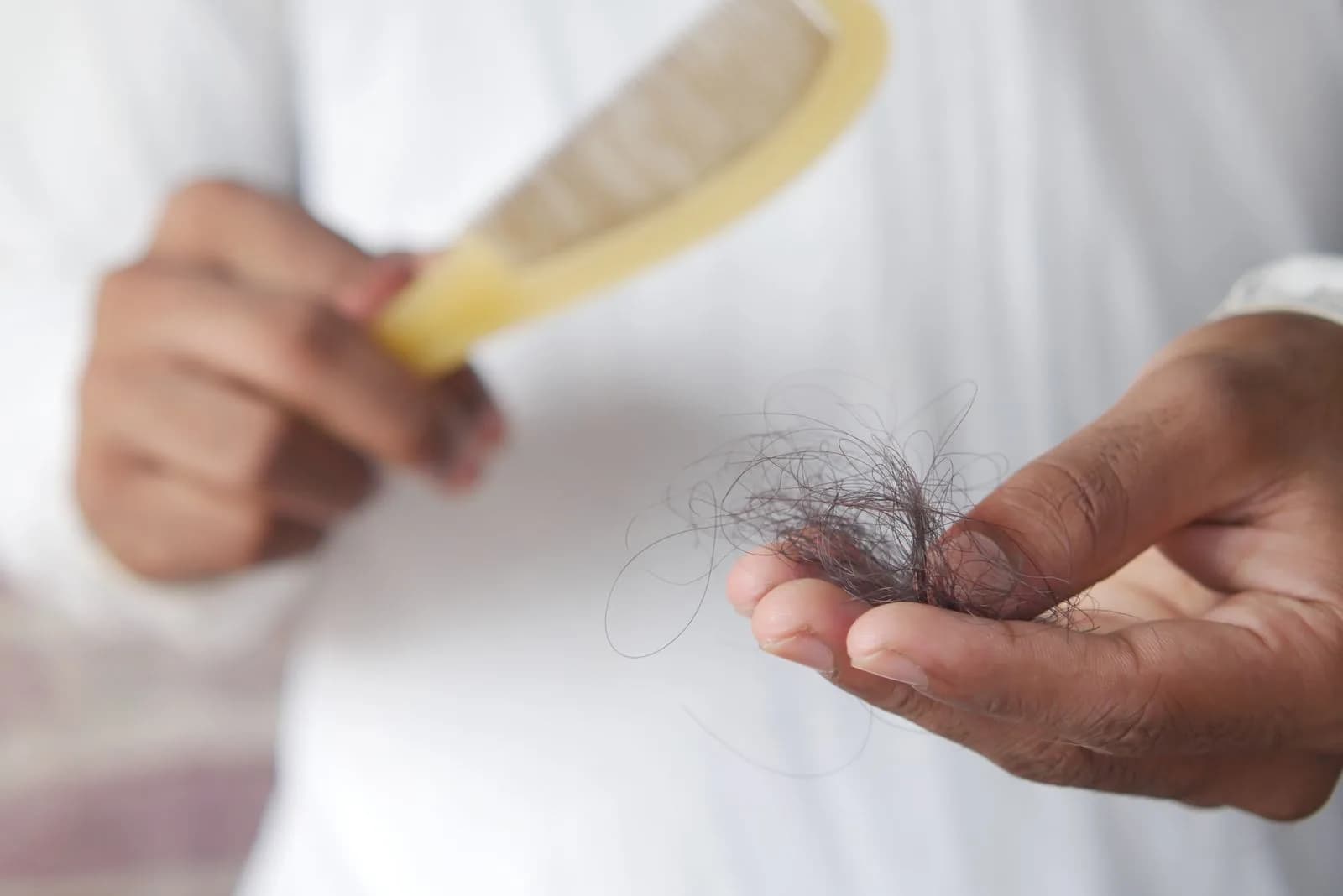
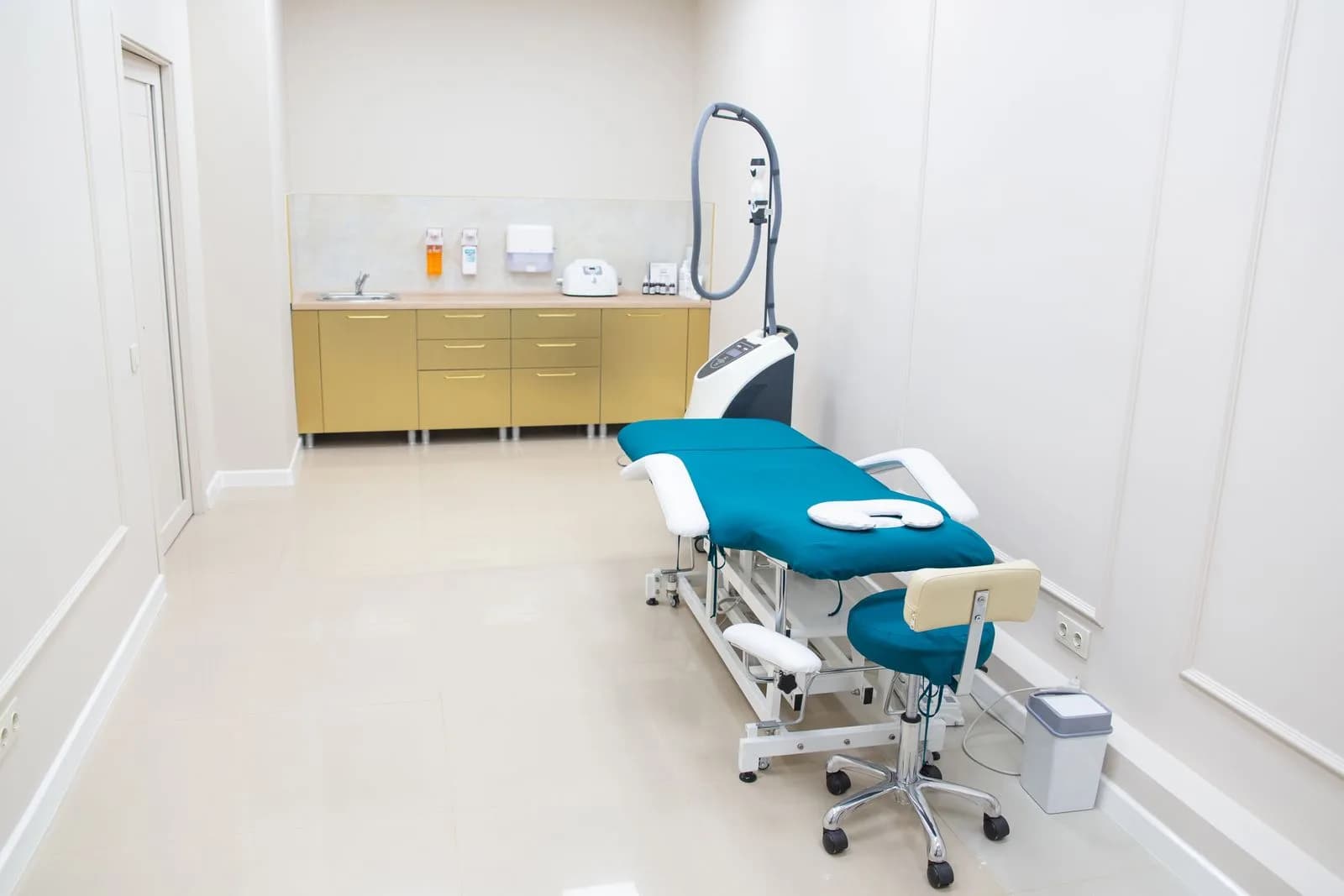
Representative image. Photo: Ivan Babydov / Pexels.
Where PRP-Alone Falls Short: The Case for a Protocol
This is the section most pages skip, because it complicates the sales pitch. Standalone PRP achieves measurable results in some patients. But on its own, it does not address the hormonal driver behind pattern loss, does not optimise the scalp environment, and does not sustain follicle activity between sessions.
PRP performed in a general aesthetics setting is usually a single treatment: blood draw, spin, inject. That is not wrong. It is incomplete. The hair loss that responds well to PRP as a standalone is hair loss in its earliest stage, or in a patient with an unusually strong biological response.
A multi-modal protocol is built differently. At Carisma, PRP works alongside exosome therapy to amplify the regenerative signal, a prescription scalp protocol (ScalpRx) to address the DHT driving the loss, and scalp diagnostics to measure whether any of it is working. The timing of each step is deliberate, not arbitrary. The combination, not any single component, is what produces the density change we measure.
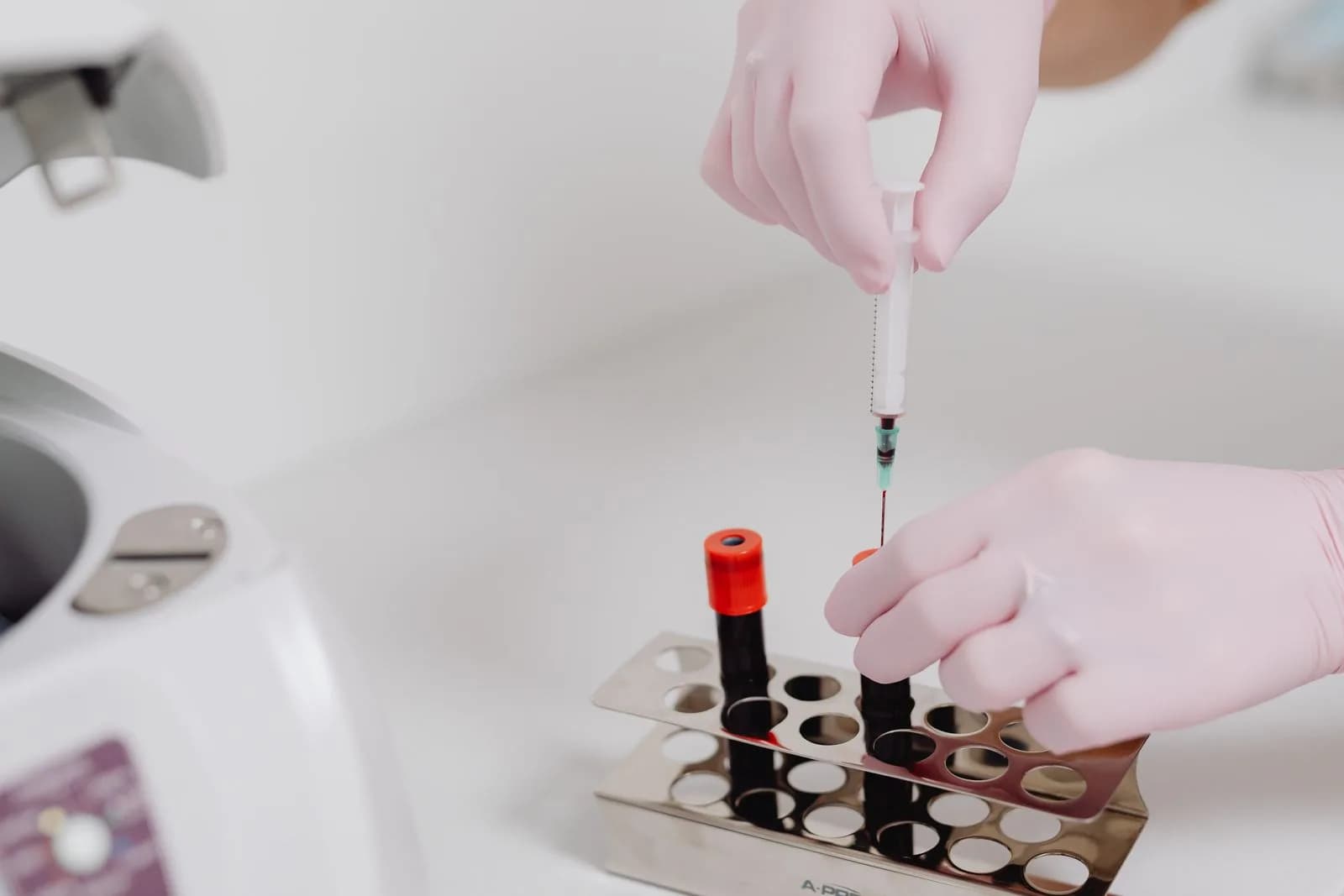
Representative lab preparation. Photo: Karolina Grabowska / Pexels.
What PRP Costs in Malta
Cost is the question almost every page avoids, so here is a straight answer. Single-session PRP in Malta is typically advertised from around €175 to €300 per session. Because a real result needs three or more sessions plus maintenance, the standalone cost adds up quickly, and a single session in isolation rarely delivers what people hope for.
At Carisma Hair Clinic, PRP is not sold as a one-off. It sits inside the Hair Reset Protocol: the 90-day programme at €897 (most popular), with an entry option at €399 and a 180-day plan at €1,494. The 90-day and 180-day programmes include the exosome amplification, prescription support, and the scalp imaging that tells you, with data, whether the treatment is earning its place. The guarantee programme accepts a limited intake of 12 patients per month, because we only take patients we believe we can genuinely help.
Frequently Asked Questions About PRP Hair Treatment in Malta
Does PRP hair treatment actually work?
For the right candidate, yes. Clinical evidence supports PRP for early-to-moderate androgenetic alopecia, where follicles are miniaturised but still alive. It does not regrow hair where follicles have died, and results vary between individuals. A scalp imaging assessment is what determines whether you are likely to respond, which is why it should always come before treatment.
How much does PRP hair treatment cost in Malta?
Single-session PRP in Malta is typically advertised from around €175 to €300, with most protocols needing three or more sessions plus maintenance. At Carisma Hair Clinic, PRP sits inside the 90-day Hair Reset Protocol at €897, which also includes exosome therapy, prescription support and scalp imaging rather than PRP on its own. The combined approach is priced as a programme because the evidence for combined treatment is stronger than for PRP alone.
How long does PRP take to show results for hair?
Most people notice reduced shedding first, often within the first two months. Visible density change typically appears around three to six months as new hairs move through the growth cycle. Results vary between individuals, and the early phase is about stabilising loss before regrowth becomes measurable. We track this with scalp imaging rather than relying on the bathroom mirror.
How many PRP sessions do you need for hair loss?
Most clinical protocols use three to six sessions, spaced four to six weeks apart, followed by maintenance two to three times a year. Carisma's Hair Reset 90 protocol delivers three PRP sessions within 90 days alongside prescription-supported scalp treatments. The effect is maintained while treatment continues, so stopping usually allows the original loss pattern to gradually resume.
Is PRP hair treatment painful or safe?
PRP is considered low-risk because it uses your own blood, so allergic reaction is rare. Discomfort during the scalp injections is usually mild and brief, and most people return to normal activity the same day. Temporary tenderness, redness or minor swelling can occur and settles within a day or two. It is not suitable for everyone, which is why a medical intake comes first.
What if PRP does not work for me?
Not everyone responds, and we would rather you knew that before you spent anything. Assessment comes before treatment. If scalp imaging shows your follicles are no longer viable, PRP is unlikely to help, and we will say so honestly rather than treat. Where follicles are inactive, we discuss alternatives, including referral to transplant partners for suitable patients.
Ready to Find Out If PRP Is Right for Your Scalp?
If your hair loss is recent or early, your follicles may well be recoverable, and PRP could be part of a protocol that works for you. If it is more advanced, an honest scan will tell you that too. Either way, you deserve a specific answer about your specific scalp rather than another evening of contradictory forum threads.
Dr. Giovanni Scornavacca begins every consultation the same way: by listening, then measuring.
→ Book Your Free Hair Loss Consultation
We will map your follicle density, explain exactly what is happening, and tell you honestly whether PRP hair treatment in Malta is the right next step.
About the Author
Dr. Giovanni Scornavacca is a hair restoration specialist with over 20 years of clinical experience, with advanced training at universities in Rome and Bologna. He leads the Hair Reset Protocol at Carisma Hair Clinic — Malta's most complete non-surgical hair regrowth programme. Dr. Scornavacca specialises in diagnosing and treating androgenetic alopecia, telogen effluvium, and complex hair loss presentations using PRP, exosome therapy, and tailored prescription protocols.
Medical Disclaimer: This article is for informational purposes only and does not constitute medical advice, diagnosis, or treatment recommendations. The evidence for PRP in hair loss is emerging and results may vary for each individual. Efficacy depends on the stage of loss and follicle viability at the time of treatment, which is why a clinical assessment is required before any treatment. PRP is not suitable for everyone, including people on certain blood-thinning medications or with specific blood disorders. Always consult a qualified healthcare professional before starting any hair loss treatment. Dr. Giovanni Scornavacca and Carisma Hair Clinic are available for clinical consultation at our St Julian's, Malta clinic.
External Authority Citations
- Harvard Health Publishing — "Platelet-rich plasma: Does the cure for hair loss lie within our blood?" — health.harvard.edu
- Gentile P. et al., "AA-PRP Injection on Pattern Hair Loss: Clinical and Histomorphometric Evaluation" — PubMed Central — ncbi.nlm.nih.gov
Written and reviewed by Dr. Giovanni Scornavacca, Carisma Hair Clinic. Published: 12 September 2024. Last updated: 29 June 2026.
Ready to Take Action?
Book a free online consultation with Nurse Leticia to talk through your hair loss, then see Dr. Giovanni Scornavacca at the clinic for a personalised assessment and treatment plan.
Book a Free Consultation