
Dr. Giovanni Scornavacca
30 June 2026 · 17 min read
Medically reviewed by Dr. Giovanni Scornavacca — Hair Restoration Specialist, Carisma Hair Clinic, St Julian's, Malta. 20+ years clinical experience, trained in Rome and Bologna.
Female Hair Loss in Malta: Causes and Treatment Options
Contents
- What Female Hair Loss Actually Is
- The Most Common Causes of Female Hair Loss
- How Female Hair Loss Is Diagnosed
- Evidence-Based Treatments for Female Hair Loss
- What Malta's Sun and Seasons Do to Your Scalp
- Recoverable Follicles, Realistic Timelines
- When to See a Hair Loss Specialist in Malta
- Frequently Asked Questions About Female Hair Loss in Malta
Female hair loss in Malta is most often caused by genetic female-pattern thinning, hormonal shifts (postpartum, menopause, PCOS, thyroid), stress-driven shedding, or low iron. Treatment depends entirely on the cause. The most evidenced options are minoxidil, PRP, exosome therapy, and correcting any underlying deficiency, ideally after a proper scalp diagnosis. Results vary for each individual.
You probably already know the moment. Not the mirror, the drain. More hair than usual gathering where it should not, in a way that is hard to unsee. Then the widening part. Then the photos where the light catches your scalp differently than it used to. If you have been researching female hair loss late at night, quietly, without telling anyone, you are in the right place, and you are far from alone. An estimated 40 percent of women experience clinically noticeable thinning by the age of 50. The frustrating part is rarely the hair itself. It is being told it is normal, handed a shampoo, and sent home with no real answer. This guide is the answer. We will walk through what actually causes female hair loss, how it is diagnosed properly, and which treatments are supported by evidence here in Malta.
Representative image (not a Carisma patient). Photo: Kaboompics.com / Pexels.
What Female Hair Loss Actually Is
Hair loss in women rarely looks like the bald patches most people picture. It is usually diffuse. The hair feels less dense, the ponytail thinner, the part wider, especially across the top and crown, while the frontal hairline stays largely intact. This presentation has a name: female pattern hair loss, or androgenetic alopecia, the single most common cause of thinning in women.
The mechanism is follicle miniaturisation. Under hormonal influence, genetically susceptible follicles shrink over successive growth cycles. Each hair they produce comes back shorter and finer until, eventually, the follicle stops producing a visible hair at all. This is gradual. The thinning you notice now usually represents a process that began years earlier.
It is worth saying plainly. Hair loss is not vanity, and it is not cosmetic. It is a medical event with measurable hormonal and physiological drivers. Treating it as a beauty problem delays the right care and deepens the quiet weight so many women carry alone. The first step is understanding what is happening at the follicle, because that is what determines whether it can be recovered.
Representative image. Photo: HONG SON / Pexels.
The Most Common Causes of Female Hair Loss
Thinning has over 50 known causes, which is exactly why guessing rarely works. In women, a handful account for the large majority of cases. Knowing which one you are dealing with is the whole game.
Androgenetic alopecia (female pattern hair loss). The leading cause. Driven by the hormone DHT acting on genetically predisposed follicles. Often inherited, and frequently accelerated around menopause.
Telogen effluvium (stress and shock shedding). Sudden, diffuse shedding triggered by a physiological event: surgery, illness, rapid weight loss, a high fever, or significant psychological stress. The key detail almost nobody is told is the timing. Hair sheds two to three months after the trigger, not immediately, which is why the cause often feels invisible. It is usually reversible once the trigger resolves.
Postpartum shedding. A specific type of telogen effluvium affecting up to 40 to 50 percent of women, typically starting three to four months after delivery. It usually self-resolves by around 12 months, though treatment can shorten the visibly thin period.
Menopause and perimenopause. Falling oestrogen shifts the hormonal balance, often unmasking or accelerating pattern thinning.
Thyroid disorders. Both underactive and overactive thyroid can cause diffuse loss. This is checkable with a blood test.
Iron deficiency and low ferritin. One of the most overlooked drivers in women. Low iron stores can keep hair thin even when nothing else is wrong.
PCOS. Polycystic ovary syndrome affects roughly 10 percent of women and disrupts androgen balance, producing pattern thinning in women of reproductive age.
Traction and styling damage. Tight styles, heat, and harsh chemical treatments cause breakage and, over time, traction alopecia. Malta's sun adds another layer here, which we will come to.
Representative image. Photo: Kaboompics.com / Pexels.
How Female Hair Loss Is Diagnosed
You cannot treat what you have not diagnosed. A protocol applied to the wrong cause does not just fail, it delays finding the right one. Proper diagnosis of female hair loss combines three things: history, examination, and, where indicated, blood work.
The history matters more than people expect. A specialist will ask about timing, recent illness or surgery, pregnancy, family history, medications, diet, and your menstrual pattern. This alone often narrows the field, because pattern loss, telogen effluvium, and deficiency-driven shedding tell different stories.
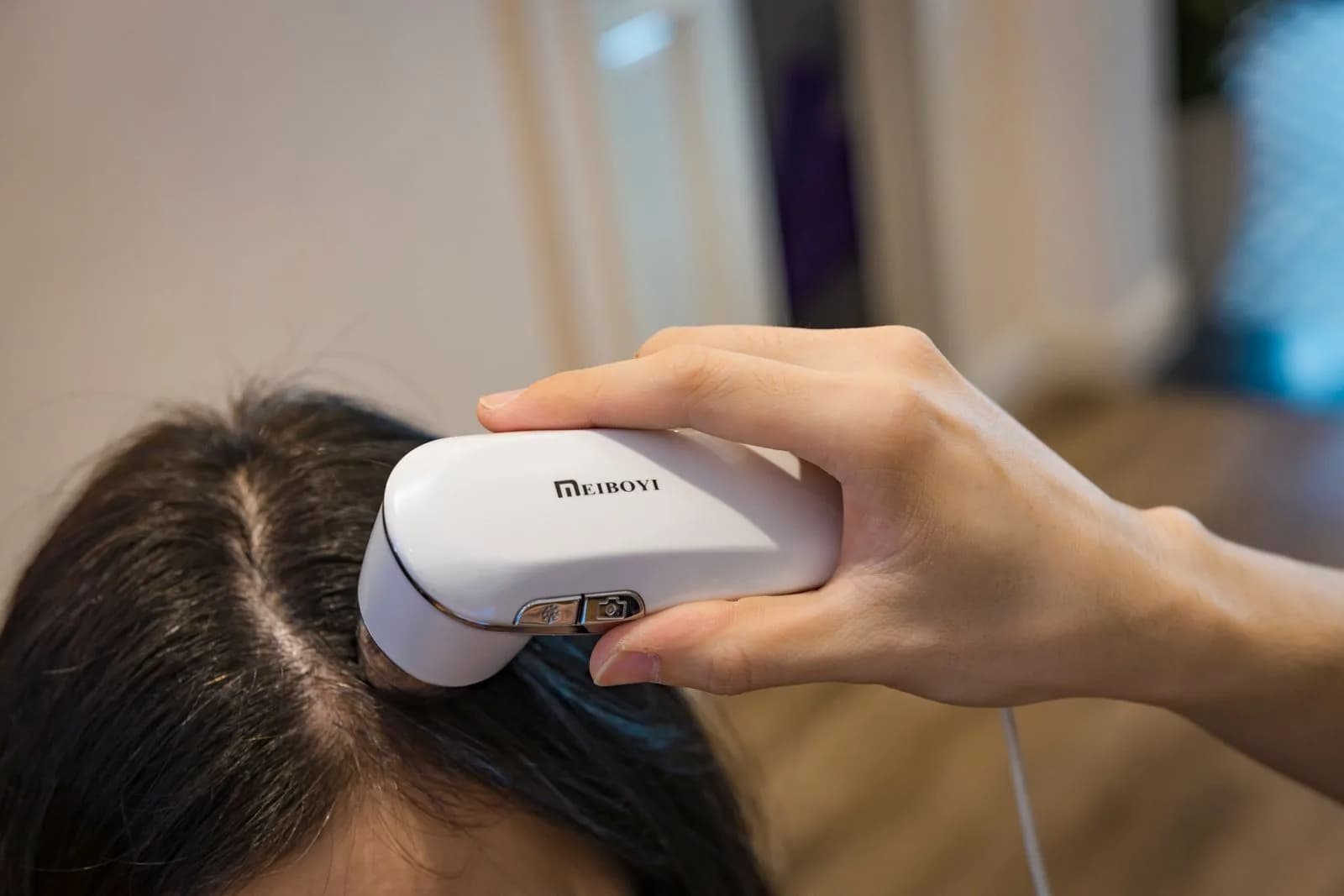
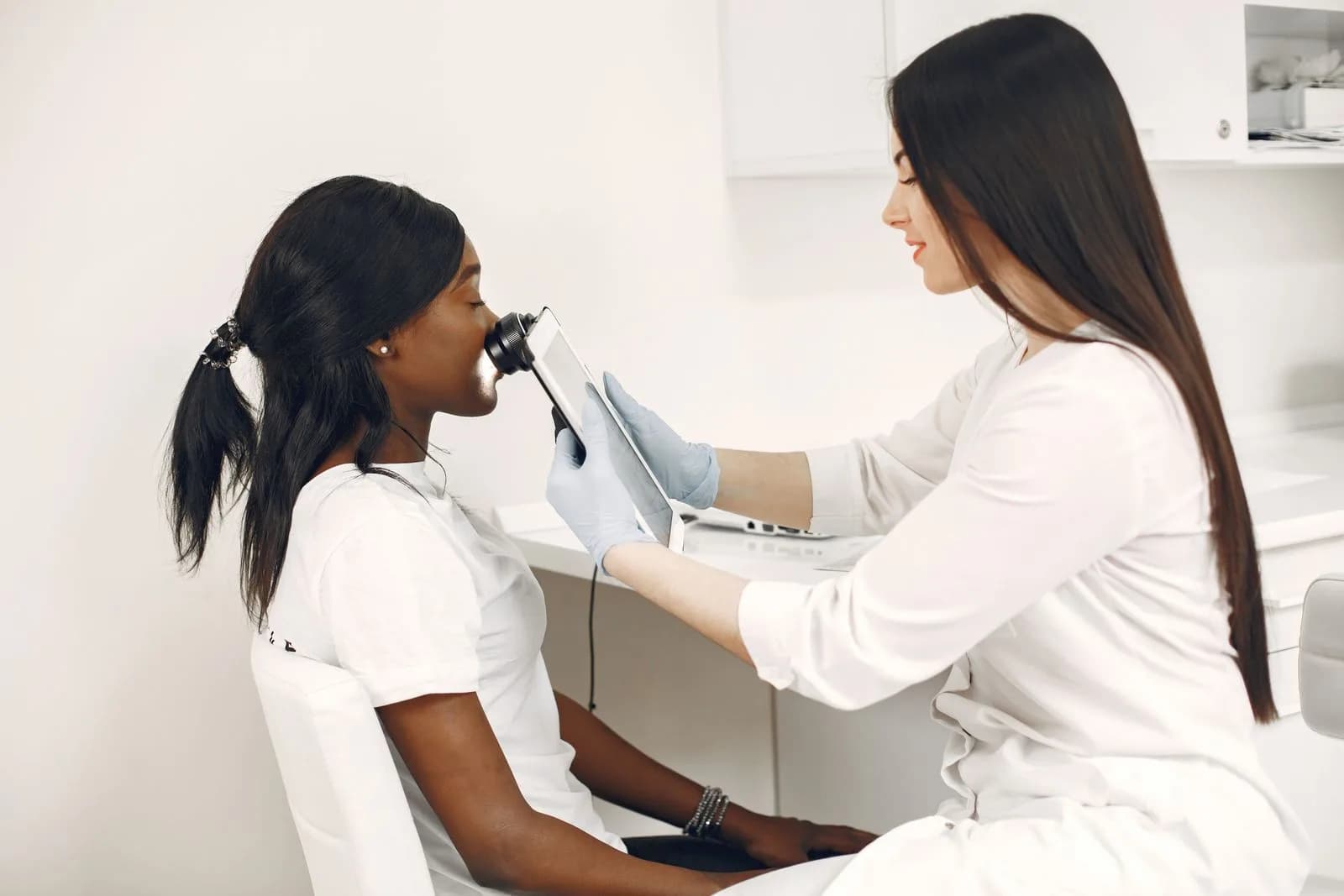
The examination is where modern tools change the picture. Scalp imaging and density mapping let us see follicle miniaturisation directly, measure density across zones, and establish a baseline to track against later. A reading like "follicles miniaturised at the crown but active throughout the mid-scalp" is far more useful than a glance in good lighting.
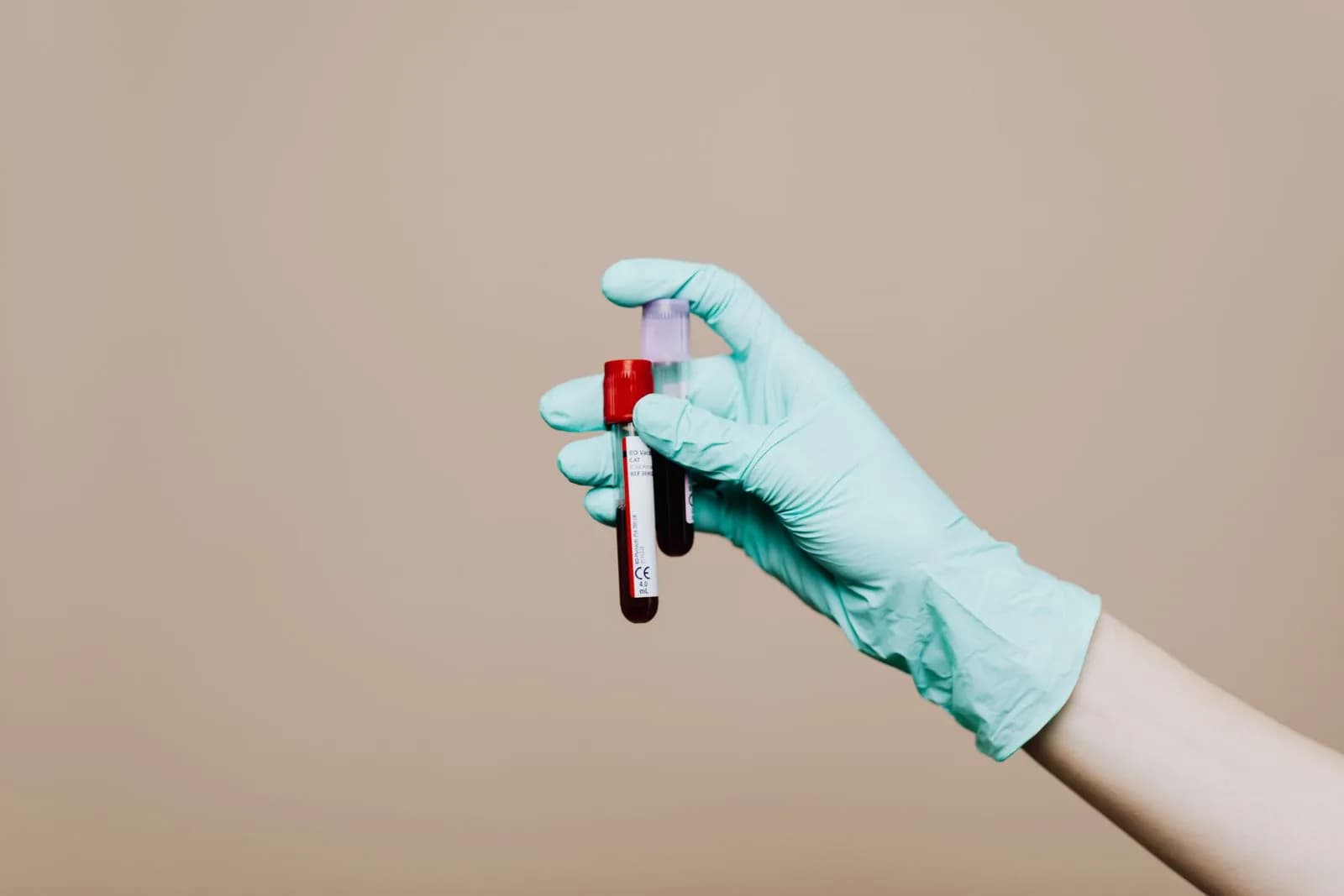
Blood tests are ordered selectively, not routinely, to rule out the treatable medical causes: iron deficiency, thyroid dysfunction, and, where there are signs of excess androgen such as acne or irregular periods, a hormonal panel. Hormonal testing is not always necessary. The point of diagnosis is to separate what needs medical management from what responds to regenerative treatment, so that the plan that follows is built on evidence rather than assumption.
Representative image. Photo: Gustavo Fring / Pexels.
Evidence-Based Treatments for Female Hair Loss
The evidence here is clearer than the marketing suggests. Most of what is sold sits well below the level of what actually works. Here is the hierarchy, strongest evidence first, and how each piece fits together.
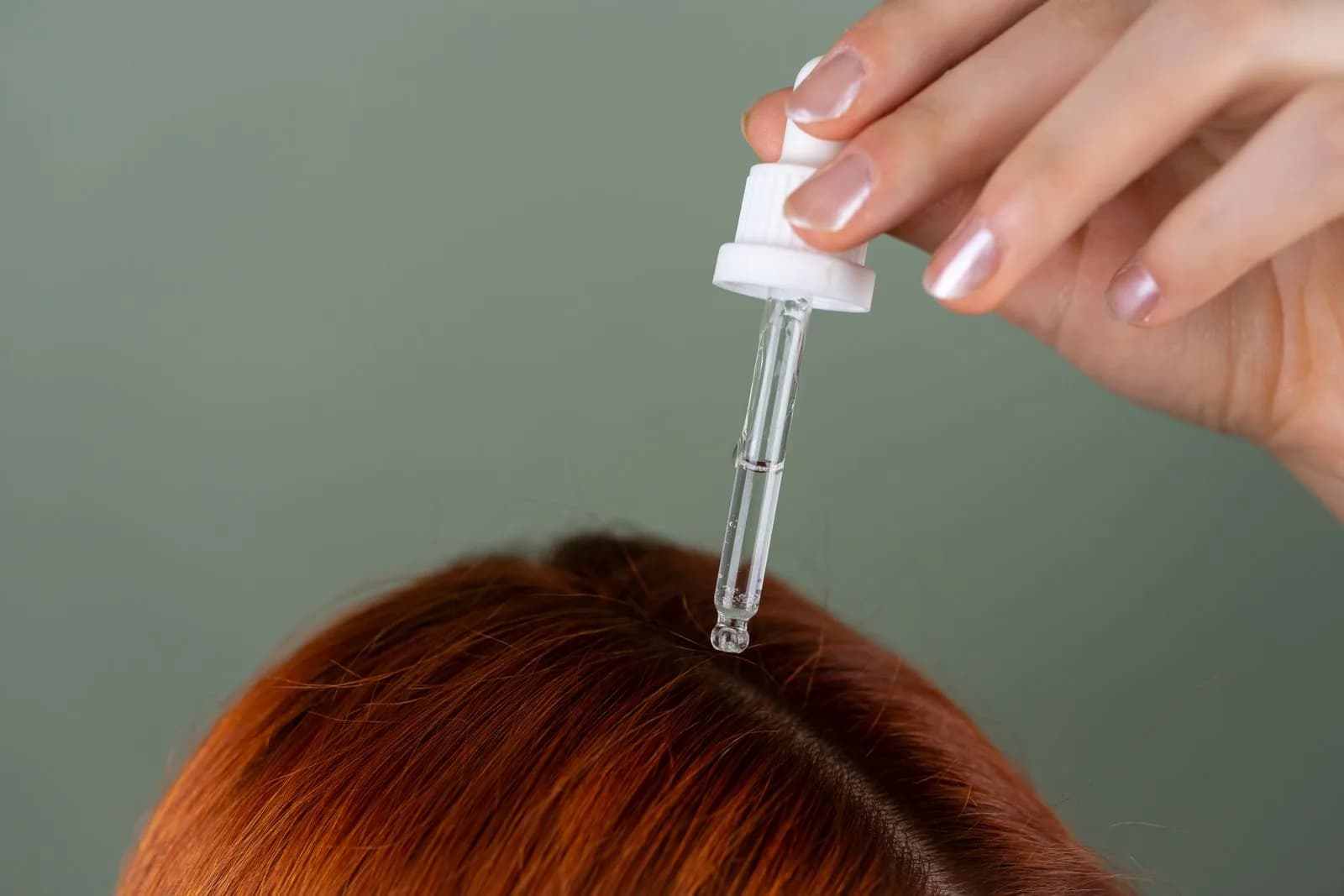
Minoxidil. The first-line, best-evidenced treatment for female pattern hair loss. A vasodilator that increases blood flow to the follicle and prolongs the growth phase. Roughly 60 to 70 percent of users see measurable improvement, though not everyone responds, and a fair trial means a minimum of 6 to 12 months of consistent use. The effect is sustained only while treatment continues.
PRP (platelet-rich plasma). Your own blood, spun to concentrate the platelets and growth factors, then delivered to the scalp. Multiple meta-analyses show statistically significant improvements in density when protocols run three or more sessions. It works best in early to moderate loss, where follicles are miniaturised but still active.
Exosome therapy. An emerging and compelling addition. Exosomes are extracellular vesicles carrying growth-factor signals that prompt follicle reactivation. Evidence suggests that combined with PRP, the effect is greater than either alone. The regulatory classification of injectable exosomes in the EU is still evolving, which we state honestly rather than gloss over.
Prescription options. For appropriate patients, anti-androgens such as spironolactone, or finasteride for post-menopausal women, can be considered. Finasteride is contraindicated in women of childbearing potential. These are clinical decisions, never self-prescribed.
Supplements and root cause. Iron and other supplements help only when a genuine deficiency exists. There is no evidence they grow hair otherwise.
The reason the Hair Reset Protocol combines these rather than offering PRP in isolation is simple: the evidence for combined, sequenced approaches is stronger than for any single component. You can read more about why hair falls out and what to do, or our deeper look at whether PRP works for hair loss. Results may vary for each individual and depend on an accurate diagnosis first.
Representative image. Photo: Beyzanur K. / Pexels.
What Malta's Sun and Seasons Do to Your Scalp
This is the part most women researching hair loss have never been told, and it matters here more than almost anywhere in Europe. Malta's UV index reaches 9 to 10 and above for four months of the year, classified by the WHO as "very high" to "extreme." Prolonged UV exposure creates oxidative stress at the follicle level, and a scalp under that kind of cumulative load can show reduced follicle vitality. For women who spend significant time outdoors, this can quietly accelerate thinning relative to northern European counterparts.
There is a seasonal pattern layered on top. Seasonal shedding is well documented, with hair loss peaking in October and November in the Northern Hemisphere. In Malta, that autumn shed is amplified by a summer's worth of UV. Many women notice more hair in the drain in September and October, panic that it is permanent, and only then start researching.
Often it is seasonal and self-limiting. Sometimes it is the moment a slower, hormonal process finally becomes visible. The two can look identical from your bathroom floor, which is exactly why a scalp scan that distinguishes active shedding from genuine miniaturisation is worth more than any amount of waiting and worrying.
Representative image. Photo: Nguyễn Tiến Thịnh / Pexels.

Recoverable Follicles, Realistic Timelines
Here is the single most important fact in this whole field, and the one that creates both honest hope and honest limits. A miniaturised follicle is not a dead follicle. Follicles that have shrunk but are still biologically active respond strongly to regenerative treatment. Follicles that have fully stopped do not. The difference between a good outcome and no outcome is very often how early someone acts.
That is why early intervention is not optional. It is not about creating panic, it is informed urgency. The longer a treatable cause runs unchecked, the more follicles cross from recoverable to inactive.
Timelines deserve honesty too. Hair grows slowly. With minoxidil, the effect often does not become visible for two months and tends to peak around four. Regenerative protocols are measured over months, not weeks. In our own programme, patients are tracked across 90 days, and the average density increase is 21 to 28 percent, as measured by scalp imaging and follicle tracking. That is a conservative figure relative to the broader literature, and it is the kind of number we would rather under-promise on than inflate. The outcome that matters is rarely a dramatic before-and-after photo. It is the meeting where you forget to think about your hair at all.
Representative image. Photo: Thirdman / Pexels.

When to See a Hair Loss Specialist in Malta
Normal shedding is 50 to 100 hairs a day. If you are consistently losing more than 150 a day for longer than three months, that warrants a professional assessment. The same is true if your part is widening, your ponytail is noticeably thinner, or you find yourself styling around the thinning.
A GP visit is a reasonable starting point to check the basics, iron, thyroid, general health. But "it is normal after pregnancy" or a blood panel with no follow-up pathway is, for many women, where the help stops. That gap, between knowing the cause and having a route to recovery, is precisely the one a dedicated hair clinic is built to close.
Carisma Hair Clinic is a doctor-led, non-surgical hair loss treatment in Malta programme, with diagnosis through scalp imaging and density mapping before any treatment begins. We are deliberately selective, accepting a limited number of patients each month, because we only take on those we genuinely believe we can help. If your follicles are recoverable, the earlier we map them, the better.
Frequently Asked Questions About Female Hair Loss in Malta
What causes female hair loss?
The most common cause is female pattern hair loss (androgenetic alopecia), driven by DHT acting on genetically susceptible follicles. Other frequent causes include telogen effluvium from stress, illness or rapid weight loss, postpartum hormonal shifts, menopause, thyroid disorders, low iron or ferritin, and PCOS. Because there are over 50 possible causes, accurate diagnosis is essential before treatment. Results vary for each individual depending on the underlying cause.
Can female hair loss be reversed?
It depends on follicle status. Miniaturised follicles that are still active can respond well to treatment, while follicles that have fully stopped cannot be revived. This is why early intervention matters so much. Reversible causes like telogen effluvium and iron deficiency often improve once the trigger is corrected. Pattern hair loss is typically managed and improved rather than fully cured, and a scalp assessment is the only way to know what is recoverable in your case.
How is female hair loss diagnosed?
Diagnosis combines a detailed history, a scalp examination, and selective blood tests. A specialist asks about timing, recent illness, pregnancy, family history, medication and diet. Scalp imaging and density mapping reveal follicle miniaturisation and establish a measurable baseline. Blood tests check for treatable medical causes such as iron deficiency and thyroid dysfunction, with hormonal testing added only when there are signs of excess androgen. The aim is to separate medical causes from those that respond to regenerative treatment.
How long does hair loss treatment take to work?
Hair grows slowly, so patience is part of the process. Minoxidil typically takes around two months before any effect is visible and tends to peak near four months. Regenerative protocols such as PRP and exosome therapy are measured over several months rather than weeks. In our 90-day programme, the average density increase is 21 to 28 percent, as measured by scalp imaging. Treatment effects from minoxidil are sustained only while you continue using it.
Is my hair loss hormonal or stress related?
They can look identical from home, which is why testing matters. Stress-related shedding (telogen effluvium) is usually sudden, diffuse, and appears two to three months after a trigger like illness or surgery, then resolves once the trigger passes. Hormonal pattern loss is more gradual and shows as widening of the part and thinning across the crown. A scalp scan distinguishes active shedding from genuine follicle miniaturisation, giving a clear answer rather than months of guesswork.
Does Malta's sun make hair loss worse?
Prolonged UV exposure creates oxidative stress at the follicle level, and Malta's summer UV index regularly reaches very high to extreme levels. For women who spend a lot of time outdoors, this cumulative load can reduce follicle vitality and contribute to thinning. It also amplifies the natural autumn shed many people notice in October and November. Sun exposure is rarely the sole cause, but in Malta it is a genuine contributing factor worth protecting against.
Take the Guesswork Out of It
If you have spent months reading contradictory advice and trying products that did nothing, the next step is not another shampoo. It is a proper diagnosis. A scalp scan will tell you what is actually happening at the follicle, which causes are at play, and crucially, what is still recoverable. From there, the plan is built on your scalp, not a guess.
Book your free hair loss consultation at Carisma Hair Clinic in St Julian's. We will map your follicle density, explain exactly what we see, and tell you honestly what we can and cannot help with. No pressure, no shame, just a clear answer.
→ Book Your Free Hair Loss Consultation
Quietly, with care, Dr. Giovanni Scornavacca Carisma Hair Clinic, St Julian's, Malta
About the Author
Dr. Giovanni Scornavacca is a hair restoration specialist with over 20 years of clinical experience and advanced training at universities in Rome and Bologna. He leads the Hair Reset Protocol at Carisma Hair Clinic — Malta's most complete non-surgical hair regrowth programme. Dr. Scornavacca specialises in diagnosing and treating androgenetic alopecia, telogen effluvium, and complex hair loss presentations in women using PRP, exosome therapy, and tailored prescription protocols.
Medical Disclaimer: This article is for general educational purposes only and does not constitute medical advice, diagnosis, or treatment recommendations. Hair loss has many causes; an accurate diagnosis and personalised consultation are required before any treatment. Efficacy depends on the underlying cause, the stage of loss, and follicle viability at the time of treatment, which is why a clinical assessment is required first. Some treatments are not suitable for everyone — finasteride, for example, is contraindicated in women of childbearing potential. Always consult a qualified healthcare professional before starting any hair loss treatment. Results vary for each individual. Dr. Giovanni Scornavacca is available for clinical consultation at our St Julian's, Malta clinic.
External Authority Citations
- American Academy of Dermatology / American Hair Loss Association — female hair loss prevalence (~40% of women by age 50)
- Cleveland Clinic — "Hair Loss in Women: causes, diagnosis, treatment" — my.clevelandclinic.org
- Harvard Health Publishing — "Treating female pattern hair loss" — health.harvard.edu
- NCBI / PMC — "Female-pattern hair loss: a therapeutic update" — ncbi.nlm.nih.gov
Ready to Take Action?
Book a free online consultation with Nurse Leticia to talk through your hair loss, then see Dr. Giovanni Scornavacca at the clinic for a personalised assessment and treatment plan.
Book a Free Consultation