Dr. Giovanni Scornavacca
26 June 2026 · 21 min read
Medically reviewed by Dr. Giovanni Scornavacca — Hair Restoration Specialist, Carisma Hair Clinic, St Julian's, Malta. 20+ years clinical experience, trained in Rome and Bologna.
Medically reviewed by Dr. Giovanni Scornavacca — Hair Restoration Specialist, Carisma Hair Clinic, St Julian's, Malta. 20+ years clinical experience.
5% Topical Hair-Growth Treatment in Malta: Who Should Use It and How
Minoxidil 5% is the clinically supported standard concentration for men with androgenetic hair loss in Malta. A randomised controlled trial found it produced approximately 45% more measurable hair regrowth than the 2% formulation over 48 weeks. Whether you are starting treatment or reconsidering your current approach, the concentration you use — and how you apply it — has a direct bearing on outcomes. Results may vary for each individual, and a clinical assessment helps determine whether 5% is appropriate for your specific pattern of loss.
Contents
- The Clinical Case for 5%: What the Evidence Actually Shows
- Who Should Use Minoxidil 5%
- Minoxidil 5% in Malta: OTC Access vs Clinically Monitored Use
- The Malta Climate Factor: What Summer Heat Does to Minoxidil
- How to Apply Minoxidil 5% Correctly
- When 5% Is Not Enough: The Case for Oral Minoxidil
- Combining Minoxidil 5% with Finasteride
- Frequently Asked Questions About Minoxidil 5% in Malta
You looked it up late at night. Minoxidil. Two percent. Five percent. Foam. Solution. The pharmacy shelf had options, but no one to explain them. You bought one, used it inconsistently, and you're not sure it's doing much. Or perhaps you're still at the research stage, trying to understand whether the stronger concentration is worth it before you commit.
The difference between 2% and 5% is not a minor formulation detail. Clinical evidence shows it produces meaningfully different outcomes in men — and the way you apply it, when you apply it, and whether you're combining it with anything else all determine whether the treatment performs at its clinical potential or falls short. As a recognised hair loss treatment Malta patients ask us about most frequently, minoxidil 5% deserves a clear, clinical explanation — not marketing language.
This article covers who 5% is indicated for, what the evidence shows about its superiority over lower concentrations in men, how Malta's climate creates a specific application consideration, and when 5% alone is not enough.
The Clinical Case for 5%: What the Evidence Actually Shows
The most frequently cited evidence on minoxidil concentration comes from a 48-week randomised controlled trial involving 393 men with androgenetic alopecia. Participants were assigned to either 5% topical minoxidil or 2% topical minoxidil and assessed at multiple time points. At 48 weeks, men using the 5% formulation showed approximately 45% greater non-vellus hair regrowth in the target area compared to those using 2% (18.6 hairs added versus 12.7 hairs added per one-square-centimetre target zone). Source: Olsen et al., topical minoxidil efficacy review
This is not a marginal difference attributable to rounding or small sample size. A 45% greater response on the primary endpoint, across 393 participants, over 48 weeks, is a finding with clinical weight.
The mechanism that makes higher concentrations more effective is dose-dependent: minoxidil works by opening ATP-sensitive potassium channels in dermal papilla cells, promoting vasodilation and extending the anagen (active growth) phase of the hair cycle. Higher concentrations deliver more active compound to the follicular environment, sustaining the channel-opening effect for longer. The follicle, in simple terms, spends more time in growth and less time in rest.
Clinical studies indicate that response rates across both concentrations are meaningful: evidence suggests that the majority of men using topical minoxidil — typically 60–70% or more — experience measurable improvement in hair density. The 5% formulation consistently sits at the upper end of that range across studies, and in the pivotal trial referenced above, 74.2% of men using 5% showed improvement by investigator assessment at 48 weeks. For men with androgenetic alopecia, 5% is the evidence-supported choice, and it is reflected in clinical guidance across dermatology. A comprehensive topical minoxidil review confirms these findings across multiple study populations.
Who Should Use 5% Topical Hair-Growth Treatment
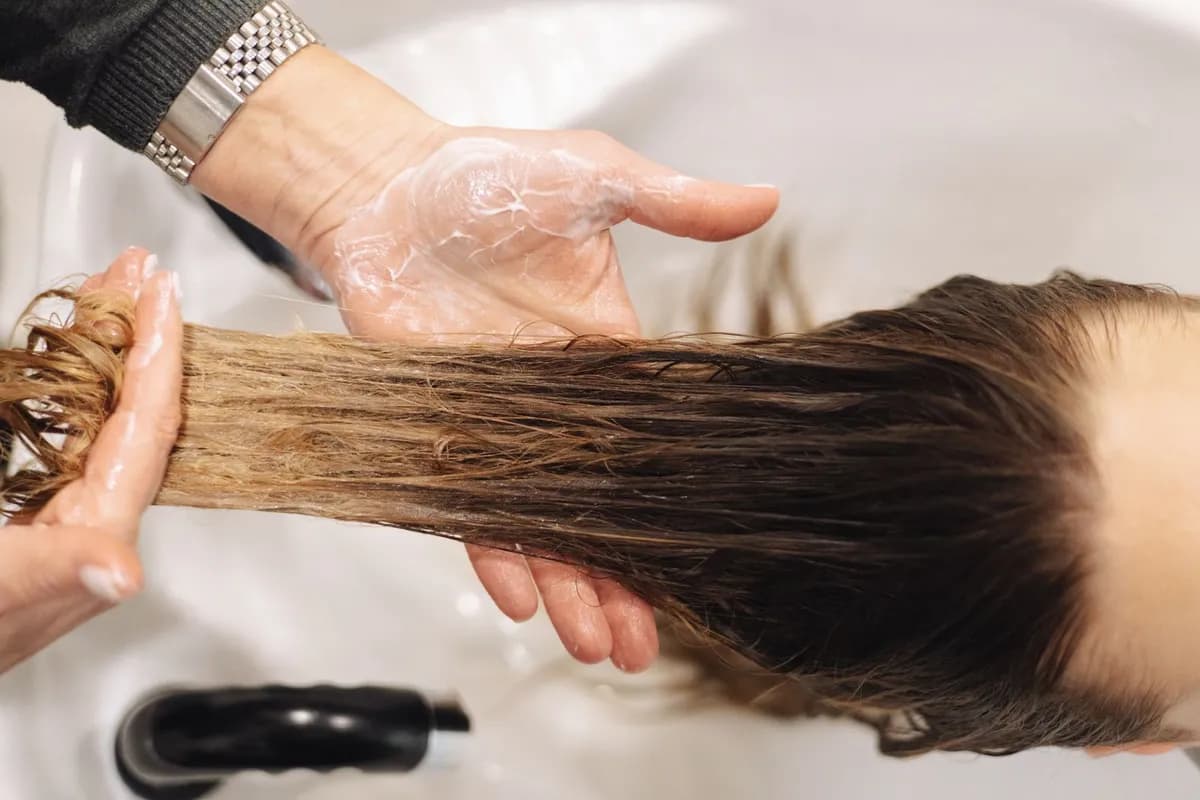
Clinical assessment identifies whether 5% or a higher-strength option is appropriate. Photo: Oleskandra Biliak.
Men with androgenetic alopecia. This is the primary indication, and it covers the majority of men experiencing progressive hair thinning. If your hair loss follows the recognisable pattern — recession at the temples, thinning at the crown, or both — and there is no secondary cause such as thyroid dysfunction or iron deficiency, 5% minoxidil is the indicated concentration. It is most effective in men who still have active follicles in the affected areas, which generally means men in the earlier stages of hair loss (Norwood I through IV) will see the strongest response.
Men who have used 2% without satisfactory results. If you have been consistent with the lower concentration for six months or more and seen limited benefit, stepping up to 5% is a clinically logical next step. The dose-response relationship is established in the literature. Some men simply require higher local drug concentration to activate a sufficient follicular response.
Older men who have not yet started treatment. There is an assumption that minoxidil is only worth starting in younger men. The evidence does not support this rigidly. Follicles remain responsive to minoxidil as long as they are not terminally miniaturised — which can take many more years than is commonly assumed. If hair in the affected zone is thinning but still present, 5% has clinical relevance regardless of age.
Women — with important qualifications. The 5% concentration is approved for men. For women, 2% is the standard licensed formulation. However, 5% topical minoxidil is used off-label in women with severe pattern loss or cases where 2% has not produced an adequate response — always under physician supervision. Women who are pregnant, may become pregnant, or are breastfeeding should not use minoxidil in any form. This decision requires a clinical assessment, not a pharmacy visit.
5% Topical Hair-Growth Treatment in Malta: OTC Access vs Clinically Monitored Use
Minoxidil 5% is available over the counter at pharmacies across Malta. You do not need a prescription to purchase the topical formulation. This accessibility is useful — it removes a barrier to starting treatment — but it also means many people begin without a confirmed diagnosis, the wrong application technique, no baseline assessment, and no plan for when the expected shedding phase begins and causes alarm.
The distinction that matters is not whether you can buy 5% minoxidil in a Maltese pharmacy — you can — but whether you are using it in a context where your response is being monitored and your underlying hair loss pattern has been properly assessed.
Over-the-counter use is appropriate for men who have already had a clinical assessment confirming androgenetic alopecia and are simply purchasing their ongoing treatment. It is less appropriate as a first step when the cause of hair loss has not been confirmed, when hair loss has been rapid or unusual, or when you are considering adding finasteride and need guidance on combination dosing. If you have any doubt about whether minoxidil 5% is the right treatment for your specific pattern, a clinical consultation resolves that question in a single appointment — before you commit to months of use.
The NHS guidance on hair loss notes that ruling out secondary causes before self-treating is important, as conditions such as thyroid dysfunction or iron deficiency require their own management. For a broader introduction to getting minoxidil appropriately assessed and sourced in Malta, the full guide to getting minoxidil in Malta covers the options in detail.
The Malta Climate Factor: What Summer Heat Does to Topical Hair-Growth Treatment
This is a consideration rarely discussed in generic minoxidil guides, but it is directly relevant if you are applying treatment in Malta between May and September — when the UV index regularly reaches 9 to 10 (Very High to Extreme, WHO classification) and ambient temperatures regularly exceed 30°C.
Scalp sweating changes the pharmacokinetics of topical minoxidil in two ways. First, sweat mechanically dilutes and disperses the applied drug, reducing the local concentration in the target zone before adequate absorption has occurred. This is a greater concern with the liquid solution formulation, where the active compound is suspended in a solvent (typically propylene glycol and alcohol) that does not bind well to a wet, sweating scalp. Second, follicular penetration requires some contact time — studies suggest adequate absorption typically occurs within 4 hours for topical minoxidil. If you are heading outdoors in summer heat shortly after application, or applying to a scalp that is already warm and perspiring from outdoor activity, absorption may be compromised.
Practical recommendations for Malta's climate:
- Apply minoxidil in the evening, after showering and with the scalp dry and cool — this is especially important during summer months.
- If you apply in the morning, allow at least 4 hours before significant physical activity or sun exposure.
- Foam formulations dry more quickly than solution and perform better on a scalp that is mildly warm, since foam does not rely on the same propylene glycol carrier. If summer tolerability is a concern, this is one practical reason to consider foam over solution.
- The detailed comparison of minoxidil foam vs solution formulations covers the tolerability differences in full.
How to Apply 5% Topical Hair-Growth Treatment Correctly
Correct technique is not optional — misapplication is one of the most common reasons men report poor results with minoxidil. The medication must reach the scalp, not the hair shaft.
Solution application:
- Ensure the scalp is dry before applying. Applying to a wet scalp reduces absorption.
- Part hair in the affected area to expose the scalp directly.
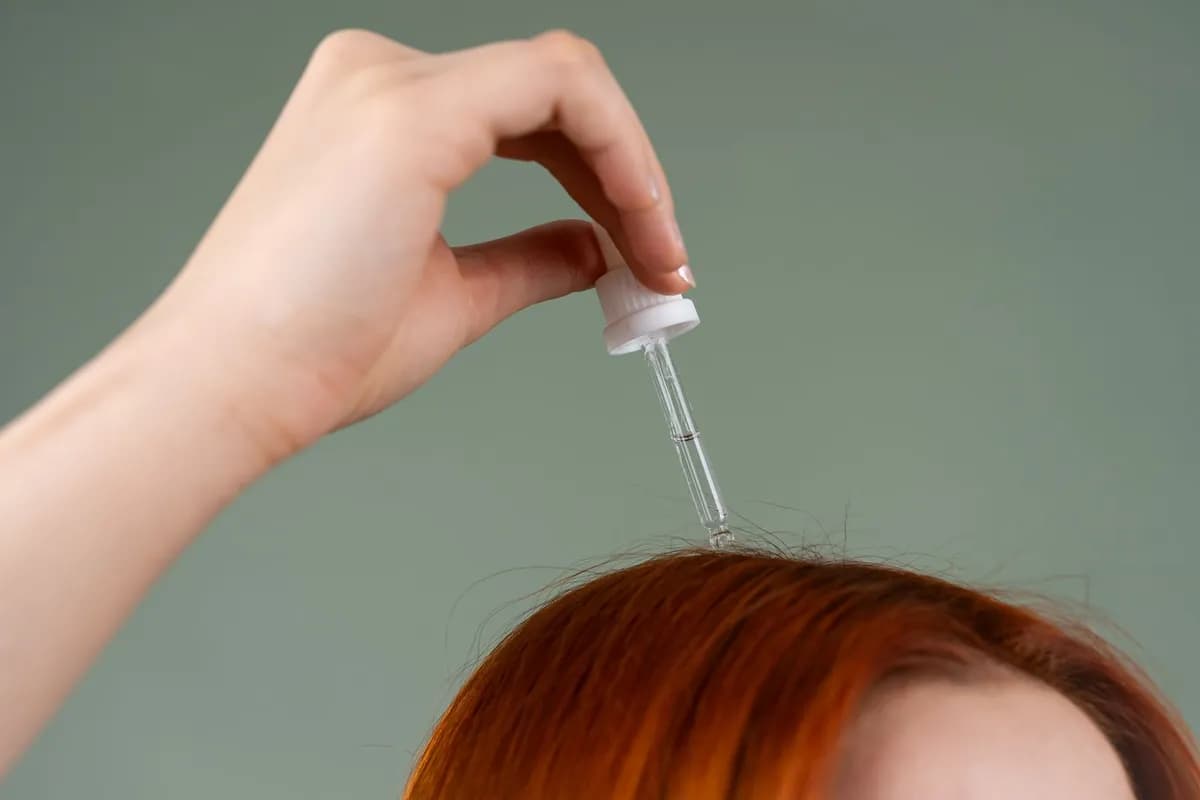
- Using the dropper or applicator tip, apply 1 mL of solution evenly across the thinning zone. This is the clinically studied dose — more is not more effective and increases the risk of skin irritation.
- Spread with fingertips if needed to ensure even coverage of the target area.
- Wash hands thoroughly immediately after.
- Allow to dry fully before applying any other product, lying down, or touching the scalp.
Foam application:
- Invert the can and dispense half a capful (approximately 1 g) onto fingertips — avoid dispensing into the palm, as body heat melts foam quickly.
- Part hair to expose the scalp and work the foam in directly with fingertips.
- Wash hands after application.
Frequency: The clinical evidence base for minoxidil is primarily built on twice-daily application. Emerging data suggest once-daily application of the 5% foam may produce comparable results for some patients, with better compliance. Twice daily remains the standard recommendation if you can maintain it. Consistency over months matters more than whether you apply once or twice — missing doses regularly undermines results far more than choosing once-daily application done reliably.
What to expect initially: A proportion of users experience a temporary increase in shedding during the first 2–8 weeks of treatment. This is a recognised pharmacological effect — minoxidil advances resting follicles into the growth phase, which physically displaces existing resting hairs. It is not a sign that the treatment is failing. A full explanation of the temporary shedding phase some users experience is worth reading before you begin, so that you are not alarmed if it occurs.
When 5% Is Not Enough: The Case for Oral Hair-Growth Medication
Topical 5% minoxidil applied correctly to the scalp — not the hair shaft. Photo: Beyzanur K.
Some patients do not see sufficient benefit from topical 5% minoxidil despite consistent use. The reasons vary: inadequate scalp absorption (particularly relevant for men with denser hair that physically blocks follicular penetration), individual pharmacogenetic differences in how sulfotransferase enzymes activate minoxidil in the scalp, or more advanced hair loss that may require higher systemic concentrations to affect miniaturised follicles.
In these cases, low-dose oral minoxidil is an emerging option supported by growing clinical evidence. A systematic review and meta-analysis of 27 studies found that the majority of patients experienced measurable improvement or stabilisation, and a randomised controlled trial found 1 mg oral minoxidil may produce similar hair growth outcomes to 5% topical with better patient compliance.
The side effect profile differs meaningfully from topical. The most common adverse effect is hypertrichosis — unwanted body or facial hair growth — which affects approximately one-third of users. Lower limb oedema has been reported in approximately 4% of patients. Oral minoxidil is used off-label for hair loss and requires a prescription and medical supervision. It is not a first-line option for most patients, but it represents a clinically supported step when topical 5% has been used correctly and produced insufficient results.
Oral minoxidil is available via prescription in Malta through specialist clinics. It is not available over the counter and should not be self-dosed.
Combining 5% Topical Hair-Growth Treatment with Hair-Loss Medication
For men with androgenetic alopecia, the strongest evidence does not point to either minoxidil or finasteride in isolation — it points to both, used together. A meta-analysis of randomised controlled trials confirmed that combination therapy (topical minoxidil plus finasteride) may produce significantly greater improvements in hair density, hair diameter, and global assessment scores than either treatment alone. This finding is consistent across the literature and represents the current clinical standard for men with progressive male pattern hair loss who are candidates for both treatments.
The rationale is mechanistic: minoxidil and finasteride address different stages of the same problem. Finasteride reduces the DHT that causes follicle miniaturisation; minoxidil stimulates follicle activity and extends the growth phase. Used together, they address both the cause and the follicular environment simultaneously.
If you are already using 5% minoxidil and have not discussed adding finasteride, or if you are weighing the two against each other rather than considering combination, a clinical review is worth having. The decision depends on your Norwood stage, the speed of progression, and whether there are any contraindications to finasteride. Exploring the full range of hair loss treatments in Malta provides a clearer picture of how the options interrelate.
Frequently Asked Questions About 5% Topical Hair-Growth Treatment in Malta
Is 5% topical hair-growth treatment available over the counter in Malta?
Yes. Minoxidil 5% topical solution and foam are available without a prescription at pharmacies across Malta. You do not need a doctor's referral to purchase either formulation. However, over-the-counter access does not replace a clinical assessment — it is advisable to confirm that androgenetic alopecia is the cause of your hair loss before beginning long-term treatment, since other causes (such as thyroid dysfunction or iron deficiency) require different interventions. A clinical consultation also allows you to establish a baseline for tracking response.
How much does 5% topical hair-growth treatment cost in Malta?
Over-the-counter topical minoxidil 5% typically ranges from €15–€40 per month at Maltese pharmacies, depending on formulation and brand. Clinically supervised protocols — which include diagnostic assessment, scalp imaging, and ongoing monitoring — are priced individually based on your specific treatment plan. Results may vary for each individual, and a clinical assessment helps ensure you are investing in the right protocol for your pattern of loss. Book a free consultation to discuss costs and options for your case.
Is 5% topical hair-growth treatment safe to use?
For most men with androgenetic alopecia, topical minoxidil 5% is well tolerated when used as directed. The most common side effects are scalp dryness or irritation, which are often related to the propylene glycol carrier in the solution formulation. Foam formulations are generally better tolerated. Systemic absorption from topical use is minimal. Oral minoxidil carries a different side effect profile and requires medical supervision. Women who are pregnant, trying to conceive, or breastfeeding should not use minoxidil in any form. Always seek clinical guidance if you have cardiovascular conditions or are taking other medications.
Can women use 5% topical hair-growth treatment?
The 5% concentration is licensed specifically for men. For women, the standard approved formulation is 2% topical minoxidil. That said, 5% is used off-label in women with more significant pattern loss or where 2% has proven insufficient — always under physician supervision. Women who are pregnant, trying to conceive, or breastfeeding should not use minoxidil in any concentration. If you are a woman considering minoxidil, a clinical assessment is the appropriate starting point rather than self-selecting a concentration.
How long does 5% topical hair-growth treatment take to show results?
Clinical trials typically begin to show measurable differences at 12–16 weeks, with more substantial results at 24–48 weeks. The pivotal 48-week trial showed clear superiority of 5% over 2% by the end of the study period. Many users notice density changes at 3–4 months, though stabilisation of ongoing loss may be noticeable earlier. Minoxidil must be used continuously to maintain results — within 6–12 months of stopping, any hair gained may be lost and shedding can fall to below pre-treatment baseline levels.
Does Malta's heat and summer humidity affect how topical hair-growth treatment works?
It can. Malta's summer heat — UV index 9–10+ and temperatures regularly above 30°C — causes scalp perspiration that can dilute and disperse topical minoxidil before adequate absorption occurs. The most practical response is to apply in the evening to a dry, cool scalp, and to allow at least 4 hours before outdoor activity if applying in the morning. Foam formulations dry faster and behave more predictably on warm scalps than solution, which contains propylene glycol. Summer is not a reason to stop treatment, but it is a reason to be more attentive to timing and technique.
What is the difference between the 5% foam and 5% solution?
Both deliver the same active ingredient at the same concentration. The key differences are in the carrier vehicle and tolerability. The solution uses propylene glycol, which is effective at transdermal delivery but causes scalp irritation and contact dermatitis in a notable proportion of users. The foam formulation was developed specifically to address this — it contains no propylene glycol and is better tolerated by sensitive scalps. Compliance tends to be better with foam for this reason. Neither formulation has been proven definitively superior in a large head-to-head efficacy trial; they are considered comparable on hair outcomes, with foam preferred for tolerability. A detailed breakdown is covered in the minoxidil foam vs solution guide.
Getting the Right Concentration — Not Just the Accessible One
Minoxidil 5% is widely available in Malta, and that accessibility is genuinely useful. But accessible does not mean automatically correct for your specific pattern, stage, or underlying cause. The 45% improvement over the 2% formulation that clinical studies indicate is achievable in the context of correct diagnosis, consistent application, and — for many men — combination with finasteride.
At Carisma Hair Clinic in St Julian's, consultations include scalp imaging and density mapping to establish your baseline, so that response to treatment is tracked against a known starting point rather than estimated from memory. Rather than guessing which concentration suits your case, a single assessment provides clarity on whether 5% topical is appropriate, whether you are a candidate for combination therapy, or whether oral minoxidil is worth discussing.
The difference between pharmacy self-dosing and clinically monitored treatment is not just the prescription — it is the baseline, the monitoring, and the protocol adjustment when your response tells you something.
Ready to Take Control of Your Hair Loss?
If you've been researching your options and want a clinical assessment rather than another generic recommendation, Carisma Hair Clinic offers a comprehensive diagnostic consultation — scalp imaging, density mapping, and a personalised protocol designed around your specific pattern of loss.
→ Book Your Free Hair Loss Consultation
Dr. Giovanni Scornavacca and the team at Carisma Hair Clinic are available at our St Julian's clinic.
About the Author
Dr. Giovanni Scornavacca is a hair restoration specialist with over 20 years of clinical experience, with advanced training at universities in Rome and Bologna. He leads the Hair Reset Protocol at Carisma Hair Clinic — Malta's most complete non-surgical hair regrowth programme. Dr. Scornavacca specialises in diagnosing and treating androgenetic alopecia, telogen effluvium, and complex hair loss presentations using a combination of PRP, exosome therapy, and prescription protocols tailored to each patient.
Medical Disclaimer: This article is for informational purposes only and does not constitute medical advice, diagnosis, or treatment recommendations. Results may vary for each individual. Always consult a qualified healthcare professional before starting any hair loss treatment. Dr. Giovanni Scornavacca and Carisma Hair Clinic are available for clinical consultation at our St Julian's, Malta clinic.
Written and reviewed by Dr. Giovanni Scornavacca, Carisma Hair Clinic. Published: 26 June 2026.
Ready to Take Action?
Book a free online consultation with Nurse Leticia to talk through your hair loss, then see Dr. Giovanni Scornavacca at the clinic for a personalised assessment and treatment plan.
Book a Free Consultation